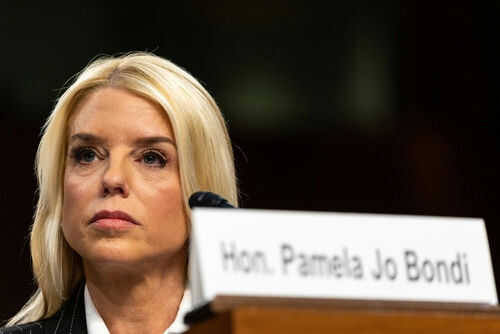
House Oversight Committee Chairman James Comer is demanding depositions from Attorney General Pam Bondi and Commerce Secretary Howard Lutnick as part of an expanding congressional investigation into Jeffrey Epstein’s financial network, raising critical questions about why previous law enforcement investigations failed to pursue key witnesses who managed the convicted sex trafficker’s complex financial empire.
Story Highlights
- House Oversight Committee demands depositions from AG Bondi and Commerce Secretary Lutnick in Epstein probe
- Epstein’s longtime accountant Richard Kahn named five prominent business figures who transferred significant sums to Epstein
- Committee investigation reveals DOJ and FBI never questioned Kahn or Epstein’s lawyer despite their central roles in his financial operations
- Oversight Committee has released over 33,000 pages of Epstein records with additional depositions scheduled
Congressional Probe Expands Beyond Financial Network
Rep. James Comer announced the House Oversight Committee is pursuing depositions from Attorney General Pam Bondi and Commerce Secretary Howard Lutnick as the investigation into Jeffrey Epstein’s financial operations widens. The move follows explosive testimony from Richard Kahn, Epstein’s longtime accountant, who identified prominent business leaders allegedly involved in substantial financial transactions with the convicted sex offender. Comer’s committee has already released 33,295 pages of Epstein-related records obtained from the Department of Justice, signaling the investigation’s comprehensive scope. The committee chairman publicly stated that depositions are being scheduled rapidly to uncover how Epstein’s criminal enterprise functioned financially.
Accountant Names Five Major Financial Contributors
During his March 11, 2026 closed-door deposition, Richard Kahn identified five individuals or entities as major recipients of Epstein’s wealth transfers: Les Wexner, former Victoria’s Secret CEO; Leon Black, former Apollo Global Management CEO; Steven Sinofsky, former Microsoft Windows Division President; Glenn Dubin, hedge fund investor; and the Rothschild banking family. According to Chairman Comer, Kahn testified that Epstein claimed to have earned his fortune as a tax advisor and financial planner, and these individuals “transferred significant sums of money to Epstein.” Black’s spokesperson responded by stating Epstein was hired for legitimate tax and estate planning work, while Dubin’s representative denied he was an Epstein client, noting that a $15 million payment was related to JPMorgan Chase’s acquisition of Dubin’s Highbridge Capital Management.
Law Enforcement Failure Draws Bipartisan Criticism
Five Democratic Senators criticized the DOJ and FBI for never questioning Kahn and Darren Indyke, Epstein’s lawyer and co-executor of his estate, despite their central roles in managing Epstein’s personal and financial affairs. The Wall Street Journal previously reported this investigative gap in 2025, prompting increased congressional scrutiny. Rep. James Walkinshaw argued during Kahn’s testimony that the accountant’s claimed ignorance was implausible, stating Epstein’s sex trafficking operation would not have been possible without Kahn, who managed Epstein’s money for years and authorized payments including those to victims. Dan Weiner, attorney for both Kahn and Indyke, emphasized neither man has been accused of sexual abuse or witnessing abuse, and no victim has claimed to have reported allegations to them.
Complex Financial Infrastructure Facilitated Trafficking
A class action lawsuit against Kahn and Indyke alleged they were “personally essential” to Epstein’s operations by structuring bank accounts, managing cash withdrawals, and creating complex financial infrastructure that facilitated sex trafficking. The lawsuit also alleged they helped facilitate “sham marriages” to obtain immigration status for victims. Both men settled the lawsuit without admitting wrongdoing, with payments made through Epstein’s trust rather than personally. In his prepared opening statement, Kahn claimed he did not see “red flags” in Epstein’s finances indicating trafficking, interacted with Epstein “strictly on a professional level,” and believed Epstein’s explanation that his 2006 arrest was a “mistake.” The committee’s investigation seeks to establish how such complex financial structures obscured trafficking-related transactions and why financial institutions failed to identify suspicious patterns.
House Oversight Committee demands depositions from Bondi and Lutnick in Epstein probe https://t.co/cXSCzZiQzU
— Fox News (@FoxNews) March 12, 2026
Darren Indyke’s deposition is scheduled for the week of March 17, 2026, as the committee continues seeking transcribed interviews from seven individuals as part of its broader investigation. The DOJ continues producing Epstein-related records while redacting victim identities and child sexual abuse material. Chairman Comer’s aggressive pursuit of depositions from current Trump administration officials, including Attorney General Bondi and Commerce Secretary Lutnick, demonstrates the investigation’s commitment to uncovering the full scope of Epstein’s financial network regardless of political implications. This represents a significant departure from previous law enforcement efforts that inexplicably failed to question key financial enablers despite their obvious proximity to Epstein’s criminal enterprise.
Sources:
Politico – House Oversight Chair Moving Quickly to Schedule Epstein Testimony with Bondi, Lutnick
ABC News – House Oversight Committee to Depose Epstein’s Longtime Accountant
Politico – Epstein Accountant Hill Deposition