
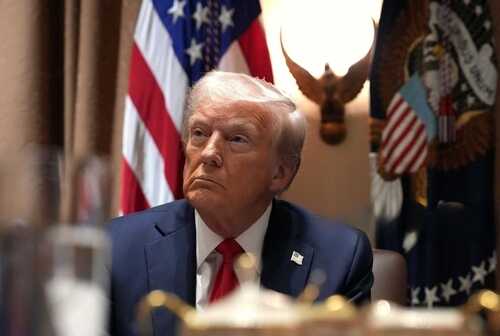
When CBS slashed President Trump’s 90-minute “60 Minutes” interview to a highly edited 28 minutes, millions of Americans saw it as yet another blatant example of media manipulation threatening transparency and the fair treatment of conservative voices.
Story Highlights
- CBS aired only a third of Trump’s “60 Minutes” interview, renewing concerns over biased editing and lack of transparency.
- Legal settlement forced CBS to disclose editing practices for high-profile interviews following Trump’s 2024 lawsuit.
- Trump’s public challenge to CBS’s editorial decisions has reignited debate about mainstream media integrity and accountability.
- The incident’s fallout is shaping industry standards and public trust in American journalism.
CBS Edits Trump Interview, Igniting Accusations of Media Manipulation
On November 3, 2025, CBS aired 28 minutes of President Trump’s interview with anchor Norah O’Donnell, recorded at Mar-a-Lago. The edited version quickly drew public criticism, particularly among Trump supporters who argued that the cuts limited context and transparency. Trump later accused CBS of unfair editing and suggested he should have input on what portions were broadcast. The controversy has reignited public debate about the media’s portrayal of political leaders and how editorial discretion affects public trust.
The dispute follows prior tensions between Trump and the network. In 2024, Trump filed a lawsuit against CBS alleging “misrepresentation and misleading editing” in an earlier interview. That case was settled in early 2025 under terms requiring the network to increase disclosure around editing practices for high-profile interviews. The recent “60 Minutes” episode marked the first major instance to test those disclosure commitments, and CBS’s decision to air less than a third of the recorded material revived skepticism about whether its approach to transparency has meaningfully changed.
Legal Settlement Forces Transparency, But Public Skepticism Remains
Under the settlement agreement, CBS was required to publish full transcripts of interviews with public figures upon request. In response to the backlash, CBS released the complete transcript of Trump’s conversation online to provide additional context. According to CBS, the reduction was due to standard time and editorial constraints typical of television broadcasting. However, several conservative media analysts, including those at Newsmax and The Federalist, argued that the edited broadcast omitted key remarks, deepening distrust among viewers who already question the fairness of mainstream coverage.
Public skepticism underscores a broader challenge for major news outlets: balancing editorial judgment with audience expectations for transparency. Journalism experts note that while networks routinely edit long interviews for time, increased political polarization has heightened sensitivity to perceived bias in these decisions.
Broader Implications for Media Trust and Political Discourse
Observers say the CBS-Trump settlement could influence how other networks handle politically sensitive interviews. Legal analysts, such as Professor Jane Kirtley from the University of Minnesota, have suggested that voluntary transparency measures like transcript releases represent a step forward, though they fall short of full accountability reforms. The incident adds to an ongoing discussion about whether media organizations can maintain both editorial independence and public trust in a deeply divided political environment.
"‘Don’t Have to Use That One’: Trump Acts Like He Runs CBS on 60 Minutes" – Mediaite #SmartNews HE’S DOING EXACTLY WHAT HE SAID KAMALA HARRIS DID! HE IS EVERY BAD THING THERE IS! https://t.co/KEnEOtxv4i
— Christina Reiter (@ChristinaR85981) November 3, 2025
For conservative commentators, the controversy reinforces ongoing concerns about the fairness of coverage in legacy media. CBS, meanwhile, maintains that its editing process adhered to standard journalistic practice. The debate illustrates a central dilemma in modern political journalism: how to ensure that editorial decisions serve the public interest while avoiding perceptions of partisanship or selective framing.
Expert Perspectives Highlight the Stakes for Democracy
Media scholars warn that overly selective editing in political interviews can undermine democratic discourse by shaping narratives through omission. Legal experts also point to the CBS-Trump settlement as an example of growing pressure on news organizations to disclose their editorial rationale. Despite CBS’s publication of the full transcript, critics remain divided over whether such measures adequately address concerns about fairness and accuracy in political reporting.
As debates over transparency continue, the outcome of this controversy may set informal standards for how major networks approach political figures, especially in an era when public confidence in media institutions remains low.
Sources:
President Donald Trump’s Extended 60 Minutes Interview (CBS News)