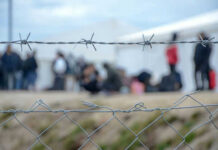

A shocking cartel crime wave exploits America’s broken border, as U.S. authorities confirm pregnant women are being murdered in Mexico so their babies and organs can be trafficked to U.S. buyers.
Story Snapshot
- Reports detailed severe atrocities allegedly committed by a faction of the Cartel Jalisco New Generation (CJNG) in Ciudad Juárez, including the murder of pregnant women for trafficking purposes.
- The allegations intensified debate over border security effectiveness and the vulnerabilities exploited by transnational criminal organizations.
- The Trump administration’s 2025 policies focused on increasing enforcement measures and dismantling cartel networks.
- The situation highlights the challenges of combating transnational crime and ensuring border management integrity.
Cartel Violence Targets the Vulnerable for Trafficking
Reports emerged detailing severe criminal acts allegedly carried out by a faction of the notorious Cartel Jalisco New Generation (CJNG) operating near the border in Ciudad Juárez, Chihuahua. These reports describe the systematic murder of pregnant women for the purposes of organ and baby trafficking, with the intent of reaching buyers in the United States. These reported acts underscore the severity of the threat posed by transnational criminal organizations operating along the U.S.-Mexico border.
Mexico's Darkest Trade: Cartels Targeting Unborn Children
On Borderland: Dispatches, @KatarinaSzulc investigates new allegations from Ciudad Juárez that the CJNG is targeting pregnant women to traffic their unborn children. She looks into these horrifying accounts and what this… pic.twitter.com/jxus8a1Avu
— IRONCLAD (@ThisIsIRONCLAD) August 28, 2025
Border Security Challenges and Policy Consequences
The reported escalation in criminal activity is linked to ongoing challenges in border enforcement, which criminal organizations exploit to move illicit goods and people. Security assessments have frequently cited the operational gaps that allow transnational criminal networks to expand their reach and commit brazen acts. This context has driven federal policy to prioritize data security and enforcement resources along the southern border.
President Donald Trump’s 2025 administration marked a shift in federal policy, initiating aggressive enforcement and security reforms. Executive orders declared a national emergency at the southern border, launched mass deportation operations, blocked most asylum seekers, and ended “catch and release” protocols. The administration also took administrative steps to allow law enforcement to pursue actions against international cartels like CJNG, which the administration has characterized as terrorist organizations. These measures were enacted to deter illegal crossings and signal a renewed federal commitment to enforcement.
Community Impact and Enforcement Focus
The severe nature of the crimes detailed in the reports has galvanized public demand for effective border enforcement and greater accountability. The administration’s response—including ICE raids, deportations, and legal reforms—is viewed by supporters as necessary to ensure public safety and manage the southern border.
The ongoing challenges in the region require consistent vigilance. Cartel organizations continue to adapt to new security measures, and the legal and political environment remains complex, with enforcement efforts subject to challenges. The reports of targeted violence serve as a reminder of the need for sustained efforts to dismantle criminal networks, secure the border, and protect vulnerable communities from transnational crime.
Sources:
apnews.com
reuters.com