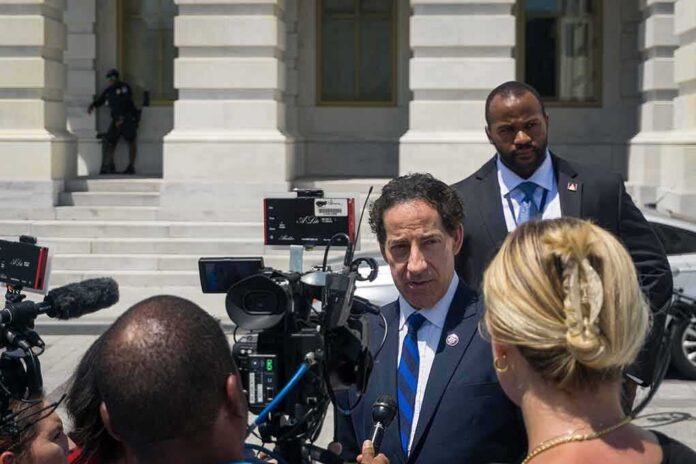
Rep. Jamie Raskin dismissed Elon Musk as an “immigrant” who “never really inhaled the real values of our country,” sparking backlash over whether Democrats are now policing which immigrants count as “American.”
Story Highlights
- Rep. Jamie Raskin said Elon Musk “never really inhaled” American values during a televised interview.
- Raskin tied Musk to the administration’s priority for Afrikaner refugees, alleging a redesign “around him.”
- Public records show the White House set a lower refugee cap with a focus on Afrikaners, but do not show Musk directed it.
- Musk has repeatedly framed free speech as central to the First Amendment and democracy.
What Raskin Said On Air And Why It Hit A Nerve
Rep. Jamie Raskin made his remarks on an October 23 broadcast, calling Elon Musk an immigrant who had “never really inhaled the real values of our country.” He also said the administration “redesigned” asylum “around” Musk to favor Afrikaners, whom he described with harsh language. The Washington Times reported the phrasing and timing, and linked it to ongoing debates about refugee policy under President Trump. The comments framed Musk’s background and the policy in cultural and racial terms.
Raskin’s charge did more than question a policy. It suggested a loyalty test for an immigrant who champions American free speech. That framing angered many on the right. Conservatives saw a sitting lawmaker dismiss an immigrant’s Americanness for holding different views. The critique also targeted the administration’s legal authority to set refugee priorities. It turned a lawful policy choice into a moral indictment. These tensions made the clip spread quickly and fueled online reaction.
What The Policy Actually Says And What It Does Not Prove
Official records show the White House set a refugee ceiling of up to 7,500 for fiscal year 2026 and directed that admissions be primarily allocated among Afrikaners and others identified as victims of unjust discrimination. That determination rested on humanitarian and national interest grounds. It showed executive discretion in who gets priority under a smaller program. It did not show that Elon Musk designed, ordered, or influenced the decision inside government.
Secondary outlets linked Musk’s public comments on South Africa to the policy’s focus. They pointed to his large platform and his claims about anti-white persecution. Those reports, however, relied on inference, unnamed officials, or political analysis. They did not produce emails, draft orders, meeting notes, or agency memos tying Musk to the decision. On the record, the policy exists. A direct line from Musk to the policy does not. That gap weakens Raskin’s “designed around him” claim.
Musk’s Record On American Values And The First Amendment
Elon Musk has repeatedly said that free speech is the “bedrock of democracy” and grounded that stance in the First Amendment. He argued that without free speech, “all is lost.” Those statements reflect a core American principle that favors open debate and limits on government power over speech. Whether people like his tone or not, the stated view aligns with traditional constitutional protections that conservatives defend. That record complicates claims he rejects “real values.”
Musk’s critics point to his posts about South Africa and his hard takes on equity policies. That debate is political and heated. But his speech-based case lines up with a long line of American arguments for robust expression. A member of Congress dismissing an immigrant’s values, while he cites the First Amendment, strikes many as upside down. It sounds like gatekeeping who is “American” based on politics, not on shared rights under the Constitution.
The Constitution, Equal Treatment, And The Refugee Fight
Presidents set refugee ceilings and priorities every year. The law gives the executive branch room to adjust numbers and focus areas. This administration used that authority to prefer people who claim racial discrimination in South Africa. Supporters call that targeted relief. Opponents call it biased. The right debate is about whether the policy meets the law and serves the national interest. The wrong debate is about whether an immigrant entrepreneur is “really” American.
Conservatives should watch two red flags. First, politicians smearing a whole group, like Afrikaners, without case-by-case proof. That is stereotyping, not evidence. Second, officials shaming immigrants who voice strong views about freedom. That chills speech. America works best when we argue facts and law, not when we question someone’s Americanness. If critics have proof Musk shaped refugee policy, they should show documents. If not, they should debate the policy on the merits.
Sources:
twitchy.com, westernjournal.com, article.wn.com, x.com, blabber.buzz, us.headtopics.com