The Supreme Court’s latest ruling blocked key mail-ballot limits for 2026, igniting a direct clash over election integrity and timing.
Story Highlights
- President Trump’s March 31 order to tighten mail voting sparked fast, nationwide court fights.
- The Supreme Court first lifted one block, then left other key limits on hold for 2026.
- Justice Brett Kavanaugh said the rule may be lawful, but too late for this election.
- The door remains open for future enforcement after the midterms.
What The Court Did, And What It Did Not Do
The Supreme Court on August 24 lifted one lower-court order that had blocked parts of President Trump’s executive order on mail voting. The justices did not end mail voting. The ruling allowed the administration to move forward on some provisions while other limits stayed paused under separate cases. The Court called some challenges premature and signaled more review as the midterms neared. The mixed result gave partial relief but not full green lights.
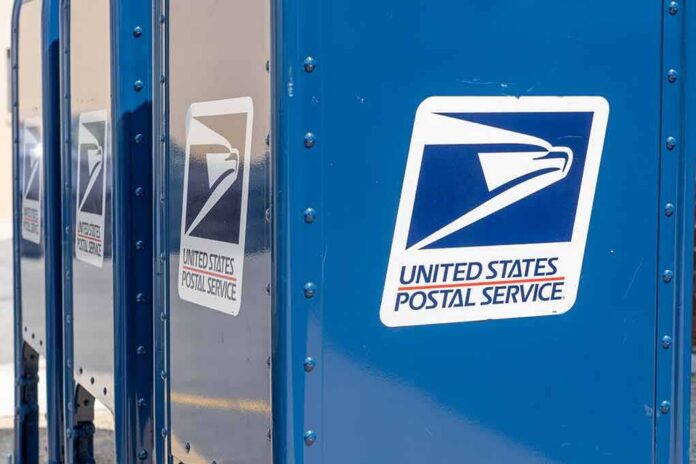
Days later, the Court declined to lift a separate injunction that stopped new Postal Service ballot rules for 2026. That order kept envelope-design checks and other mail-ballot controls on hold. The vote was 7-2, with Justice Brett Kavanaugh writing that the rule might be lawful but came too late for election officials to apply this year. The Court stressed timing and process, not a final ruling on the policy’s core legality.
Trump’s Order And The Legal Stakes For Election Integrity
President Trump signed his order on March 31 to tighten mail-ballot procedures and improve verification, citing federal election laws and the need to protect the mail from abuse. The action set deadlines and called on agencies to guard ballot handling. Lawsuits followed within hours, led by Democrat-run states and allied groups. The fight moved fast because midterms were close and states were already printing and mailing materials under tight calendars.
The administration asked the Supreme Court in late July to allow nationwide implementation ahead of November, arguing uniform rules would prevent confusion and abuse. The Court’s August 24 action eased one roadblock but left others standing, creating a patchwork. Federal judges in Boston then issued new limits on parts of the plan, prompting fresh appeals. The net result was a legal maze that left election officials juggling different directions as deadlines loomed.
Why Timing Became The Deciding Factor
Justice Brett Kavanaugh’s separate writing explained the core problem: election officials lacked time to roll out new ballot-mail rules this close to voting. He noted there was a “fair prospect” the Postal Service rule fit within the law but said forcing it now would be arbitrary. That echoed a familiar election law principle. Courts often avoid late changes that risk confusion for workers, voters, and mail systems already under strain as ballots move.
Earlier reporting showed the Court also viewed some state challenges as not yet ripe. The justices said states could return if concrete harms appeared closer to Election Day. That approach placed procedures and calendars over policy debates, even as both sides claimed to defend election integrity. The path forward points to renewed arguments after November, when courts can weigh the rules without the midterm clock.
What Conservatives Should Watch Next
Election integrity remains a live fight in the courts and in Congress. President Trump gained room to enforce some parts of his order, but the key Postal Service limits are paused for 2026. The administration can return after the midterms with a fuller record, more time, and clearer timelines for training and compliance. That strategy answers the Court’s timing concerns while keeping the push for tighter mail-ballot controls on the table.
With just weeks to go before the midterms that will decide control of Congress, the Supreme Court has again weighed in on the fight over mail-in voting, declining to allow new U.S. Postal Service rules sought by the Trump administration… https://t.co/rT5sIKWyGF
— NBC Montana (@NBCMontana) September 16, 2026
Justice Neil Gorsuch has stressed that state legislatures hold primary power to set election rules, not judges or executive officials. That view will shape future cases about who may change mail-ballot rules and when. For now, voters should expect most 2026 mail procedures to look like recent cycles. After November, expect a renewed legal push to standardize verification, envelope security, and tracking in ways that fit both federal law and election calendars.
Sources:
reason.com, reuters.com, politico.com, cnbc.com, votebeat.org, abcnews.com