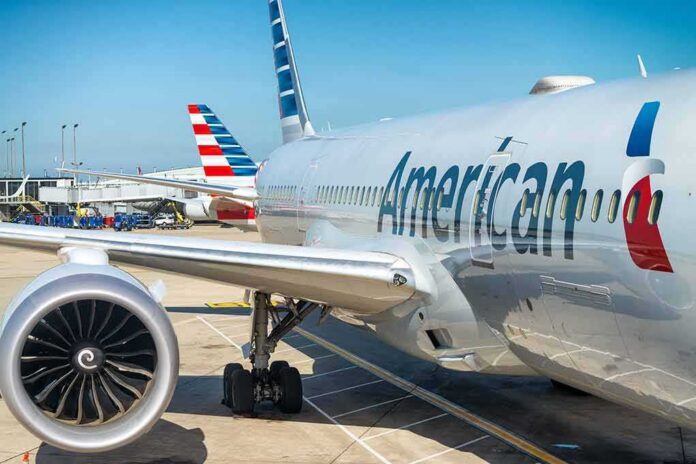
Flames and smoke from an American Airlines engine forced a Charlotte-bound flight back to Myrtle Beach, but every passenger got out safely.
Quick Take
- The flight struck birds shortly after takeoff from Myrtle Beach International Airport and turned back.
- No injuries were reported, and the plane taxied to the gate after landing.
- American Airlines took the aircraft out of service for inspection.
- Officials and radio traffic pointed to bird debris and possible engine smoke after the strike.
Bird Strike Sent Flight Back
An American Airlines Boeing 737 headed for Charlotte, North Carolina, was forced to return to Myrtle Beach, South Carolina, shortly after takeoff on Monday after the crew reported an engine issue tied to a bird strike. ABC News said the plane landed safely and was taken out of service for maintenance, while Myrtle Beach International Airport said no injuries were reported and passengers deplaned normally at the gate.
CNN reported that flames erupted from one of the plane’s engines during the takeoff emergency, and the outlet said a nearby pilot heard the strike and saw smoke from the left engine. ABC News also reported that runway inspection turned up a significant amount of bird remains and feathers, which were cleared before the return landing. The public record now shows a clear chain of events: bird strike, engine concern, safe return, and inspection.
Passengers Saw a Sudden Disturbance
The reporting points to a frightening few minutes for the people on board. ABC News said one passenger heard a loud bang and rumbling before the aircraft came back down safely. CNN said passengers captured flames from the engine on video, while a person on the beach reported loud popping sounds and orange flashes from the left wing. The flight still returned without any reported injuries.
That outcome matters. Bird strikes can look dramatic on video, but the known facts here show a precautionary return rather than a crash or a mass-casualty event. Airport officials said emergency response units staged as needed, the aircraft landed a few minutes later, and passengers exited normally at the terminal gate. American Airlines said inspectors found no fire or leaks after landing, even though the plane was removed from service for a closer look.
What the Public Record Leaves Open
The current record still does not explain the full technical damage to the engine. Public statements say only that the aircraft was inspected and pulled from service, not whether the strike harmed blades, sensors, or other parts. Reporting also differs on the visual effect, with some accounts describing flames and others describing smoke or sparks. That gap is common right after aviation incidents, when fast safety updates come before detailed maintenance findings.
🚨 American Airlines Flight 1760 bird strike: A Boeing 737 returned safely to Myrtle Beach after passengers saw flames from the engine area. What happened to Flight 1760?https://t.co/pYHaggEKfh#AmericanAirlines #Flight1760 #BirdStrike #AviationNews #BreakingNews
— Chetan Budholiya (@ChetanBudholiy2) August 11, 2026
The broader picture is simple. Bird strikes are a known hazard in commercial flying, and crews are trained to respond fast when an engine shows signs of trouble. In this case, the system worked as designed: the crew turned back, the airport cleared the runway, emergency teams stood ready, and the plane landed safely. The Federal Aviation Administration said it will investigate, which is standard after a reportable incident of this kind.
Why This Story Matters
For many readers, this story cuts to a larger truth about modern aviation and common sense. A single flock of birds can still create a major scare, even on a routine domestic flight. At the same time, the safety system kept this event from becoming worse. The plane returned, the passengers walked away, and the airline now has to find out exactly what the engines took on impact.
Sources:
facebook.com, abcnews.com, theguardian.com