Al-Qaeda-linked insurgents and separatist forces launched unprecedented coordinated attacks across Mali on April 25, 2026, striking the capital Bamako and military installations nationwide in what experts call a dramatic setback exposing the military junta’s inability to protect its own seat of power despite Russian security partnerships.
Story Snapshot
- Jama’at Nusrat al-Islam wal-Muslimin (JNIM) and Azawad Liberation Front (FLA) executed simultaneous assaults on Bamako, including the defense minister’s residence and major military bases
- Insurgents assembled fighters undetected near the capital, marking the first major urban incursions since 2012 and signaling a dangerous new phase of the conflict
- Military junta claims to have regained control, but experts warn of potential government collapse amid ongoing fuel blockades and territorial losses in northern Mali
- Russian security partners failed to prevent the attacks, raising questions about the effectiveness of Moscow’s influence in the Sahel region
Coordinated Assault Targets Mali’s Capital and Military Installations
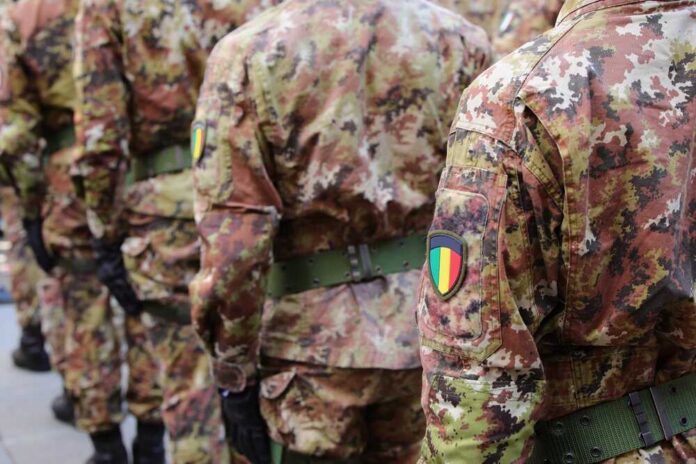
Insurgent forces launched a multi-front offensive across Mali on April 25, 2026, with loud blasts and gunfire erupting near the main military camp in Kati and coordinated strikes hitting military bases nationwide. The Bamako airport shut down as JNIM fighters bombed the defense minister’s residence while the FLA claimed control of the northern city of Kidal. The military announced it regained control later that day, but the scope of the attacks revealed severe vulnerabilities in the junta’s security apparatus and its Russian partners’ capacity to detect threats.
Unprecedented Cooperation Between Jihadists and Separatists
The April 25 offensive marked the largest-scale coordination between the al-Qaeda-affiliated JNIM and Tuareg separatist FLA in years, representing a significant escalation from peripheral insurgency to direct threats against the capital. Andrew Lebovich of the Clingendael Institute described the attacks as an “unprecedented set of attacks” signaling a “new phase” in Mali’s conflict. The ability of insurgent forces to assemble fighters near Bamako without detection demonstrates critical intelligence failures by both Malian security forces and their Russian advisors, undermining claims that the junta’s partnership with Moscow would provide superior security compared to previous French support.
Junta’s Grip on Power Weakens Amid Mounting Insecurity
Colonel Assimi Goïta’s military government, which seized power in the 2021 coup, faces eroding legitimacy as jihadist forces expand territorial control through economic warfare tactics including fuel blockades that crippled Bamako in recent months, forcing school closures and halting imports. The Atlantic Council warned that Mali stands at a “turning point” risking government collapse and a “disastrous domino effect” across the Sahel region, where similar military coups in Burkina Faso and Niger have followed Mali’s pattern of democratic breakdown amid worsening security. Previous attacks killed 38 soldiers in Mopti on September 30 and 20 in Segou on January 26, demonstrating JNIM’s sustained capability to strike military targets while tightening sieges on transportation routes.
Regional Stability Threatened as Jihadist Control Expands
The coordinated attacks expose how three successive coups since 2012 failed to address Mali’s core security crisis, instead creating conditions for jihadist expansion as democratic institutions collapsed and foreign partnerships shifted from Western to Russian support without improved results. Western nations including the United States, France, and the United Kingdom urged citizen evacuations in November, signaling diminished confidence in the junta’s ability to maintain order. The Africa Center for Strategic Studies notes that JNIM deliberately targets the junta’s economic and political vulnerabilities, employing tactics refined across 13 years of territorial gains. This strategy risks not just Mali’s stability but threatens to accelerate jihadist control across neighboring Sahel nations, creating a corridor of ungoverned space where terrorist organizations operate with increasing impunity while local populations suffer fuel shortages, displacement, and deteriorating security that no amount of military force has been able to reverse.
Mali insurgents launch biggest attack on military government – YouTube https://t.co/SeYjlPbxrL
— OmniGaza® (@OmniGazabyNdege) April 25, 2026
The pattern emerging in Mali reflects a broader failure of military solutions to address the underlying governance, economic, and ethnic tensions that fuel insurgencies. Citizens face the consequences as their government prioritizes regime survival over addressing the legitimate grievances that allow extremist groups to recruit and expand their influence, while international partners appear more focused on geopolitical positioning than sustainable security outcomes that would actually protect ordinary Malians from violence and economic collapse.
Sources:
Mali is at a turning point that risks a disastrous domino effect – Atlantic Council
Loud blasts, gunfire heard near Mali’s main military camp, Reuters witness says – The Straits Times
JNIM Attacks Western Mali Sahel – Africa Center for Strategic Studies