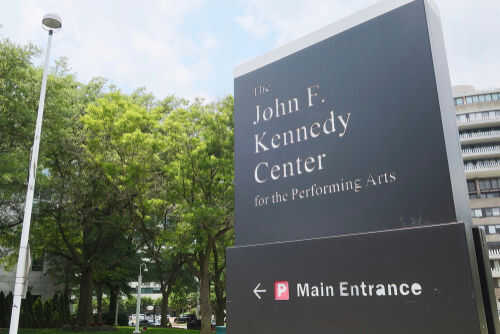
President Trump is moving to shut the Kennedy Center for two years—an extraordinary federal intervention that could reshape one of America’s biggest cultural institutions heading into the 250th anniversary era.
Quick Take
- Trump says the Kennedy Center will close starting July 4, 2026, for a two-year overhaul aimed at reopening around July 2028.
- The White House describes structural and life-safety work plus major modernization of HVAC, plumbing, electrical, and stage systems.
- Trump claims the renovation will cost about $200 million and be “fully financed,” while prior congressional capital-repair funding has been cited at $257 million.
- The project lands amid controversy over board changes, proposed renaming, and artist backlash that has affected programming and ticket demand.
Trump Announces a Full Closure and Posts New Renderings
President Donald Trump used social media and subsequent White House statements to preview planned exterior changes at Washington’s John F. Kennedy Center for the Performing Arts. The key operational detail is the most disruptive: a full closure beginning July 4, 2026, with the administration pointing toward a reopening around July 2028. Trump has framed the plan as a “complete rebuilding” that preserves core materials rather than demolishing the landmark outright.
Trump’s public messaging has emphasized reusing existing steel and marble while delivering what he called a “brand new and really beautiful” venue. Administration descriptions focus on repairs meant to protect the structure long-term and address aging systems that affect audiences and performers alike. While the White House has confirmed the broad categories of work, full plans and final specifications have not been released publicly, leaving some design details unresolved.
Scope: Life-Safety, Infrastructure, and Performance Systems
White House officials have described a renovation centered on core building integrity rather than cosmetic tweaks. The stated scope includes structural repairs, exterior work intended for long-term preservation, and updates to life-safety requirements. Inside, the modernization list is extensive: HVAC, plumbing, electrical systems, and stage equipment. For everyday Americans who want government-run facilities to function, the practical argument is straightforward—systems built for a different era eventually fail, and large venues cannot operate safely without major upgrades.
Even so, the administration’s communication leaves open questions that matter for accountability. Trump has put the estimated cost around $200 million and has said the effort is “fully financed,” but public reporting also references a prior congressional allocation of $257 million for capital repairs. The gap between those figures—and the lack of clarity on how financing is structured—creates uncertainty that Congress and taxpayers will likely want answered before demolition, procurement, and contracting decisions are locked in.
Governance and Naming Fight Keep Politics in the Spotlight
The renovation is unfolding alongside sweeping governance changes. Reports describe Trump removing board members and installing allies after returning to office, with a subsequent board vote supporting adding Trump’s name to the institution—an action that still requires congressional approval. The combination of board control, a proposed renaming, and a high-profile construction plan has turned a performing-arts venue into a visible national political battleground, especially as cultural programming choices draw scrutiny.
That dynamic helps explain why reactions are so polarized. Some critics argue the renovation and the branding push are intertwined, while supporters focus on the argument that the building is overdue for modernization. Available reporting also describes performance and programming fallout, including artist withdrawals and controversy tied to LGBTQ-related events. The underlying fact pattern is clear: when a federally connected cultural institution becomes a partisan symbol, it becomes harder to keep attention fixed on basics like budgets, safety upgrades, and measurable results.
What’s Known, What Isn’t, and Why It Matters
Several elements are confirmed across reporting: the July 4, 2026 closure target, the two-year timeline, and the emphasis on structural preservation and systems replacement. What remains thin is the level of detail the public would normally expect before a project of this scale proceeds—final renderings, precise scope documents, and a breakdown showing how “fully financed” is defined. Media discussion has also included speculation about design choices, but those claims are not substantiated by released plans.
For conservatives wary of government overreach, the key test will be whether this stays a transparent facilities project or turns into another top-down cultural power play. If Congress is asked to sign off on a new name, or if federal funding streams are implicated, lawmakers will have a constitutional and fiscal responsibility to demand clear documentation. The next major milestone is simple: before the doors close, the public deserves a verifiable plan, a credible cost basis, and a timeline that can be audited.
Sources:
Trump Posts Renderings Showing Kennedy Center Exterior After Planned Renovation
Trump to Shutter Kennedy Center for Two-Year Renovation
Letters to the Editor: Kennedy Center renovations, Trump
Trump Announces Sweeping Kennedy Center Renovation Plan