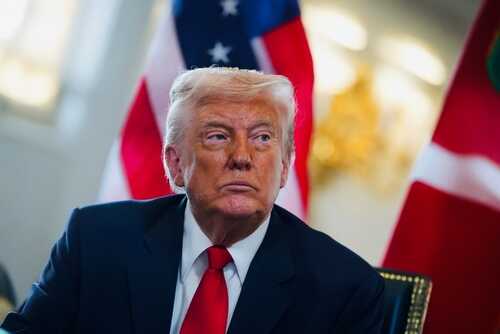
A new naval deployment strategy strengthens America’s defense posture in the Western Hemisphere, escalating pressure on Venezuela’s Maduro.
Story Highlights
- US naval buildup in the Caribbean aims to combat drug trafficking and pressure Maduro.
- The Trump administration considers targeted strikes without full invasion.
- Recent FTO designations allow for expanded legal action.
- Trump offers Maduro safe passage in stalled negotiations.
US Naval Deployment Targets Venezuelan Cartels
In a decisive move, the US has initiated a naval buildup in the southern Caribbean, a strategy aimed at combating drug trafficking and pressuring Venezuelan leader Nicolás Maduro. This deployment, beginning in late August 2025, has been interpreted as a potential precursor to more aggressive actions aimed at toppling Maduro’s regime, without resorting to a full-scale ground invasion.
The Trump administration’s “2025 Strategy” positions the Western Hemisphere as a critical line of defense against threats from drug cartels and authoritarian regimes. This strategy includes designating the Cartel of the Suns, allegedly led by Maduro, as a Foreign Terrorist Organization (FTO), which expands the US’s legal tools to target these groups aggressively.
Trump targets Maduro as Western Hemisphere becomes ‘first line of defense’ in new strategyhttps://t.co/y1nxsl9OlG
— Erik Hoffmann (@C0ffee_M0nster) December 17, 2025
Strategic Designations and Diplomatic Maneuvers
By the end of November 2025, the US considered specific land targets in Venezuela, with the Cartel of the Suns already designated an FTO. On November 16, President Trump stated that no decisions on land strikes had been made, but discussions with Maduro were ongoing. Talks reportedly stalled over Maduro’s demands for global amnesty and military control, despite Trump’s offer of safe passage.
Further intensifying the situation, on December 16, 2025, the US designated the Gulf Clan, a Colombian cartel, as another FTO. These actions underscore the administration’s commitment to curbing narco-terrorism in the region and reinforce the naval deployment’s strategic objectives.
Political and Military Implications
The US House of Representatives recently rejected a resolution that sought to limit military actions against Venezuelan-linked terrorists. This decision reflects congressional support for the administration’s approach, despite warnings from some Democrats of potential regional destabilization. The ongoing naval presence and consideration of land targets signal a robust stance against threats emanating from Venezuela and neighboring regions.
These developments are part of a broader strategy that sees the Western Hemisphere as America’s first line of defense against mass threats, a perspective reinforced by expert analyses favoring targeted strikes over a full invasion. The Trump administration’s focus on security and its implications for regional stability continue to be pivotal factors in shaping US-Venezuela relations.
Sources:
2025 United States Naval Deployment in the Caribbean
Meeks Floor Debate Remarks on War Powers Resolution to Prohibit Hostilities Against Venezuela
Tracking Trump and Latin America Security: Trump Blockades Sanctioned Venezuelan Oil
House Rejects Limits on Military Action Against Venezuela