A “freak wind gust” is the easy headline, but the flying metal cabana at a Florida resort raises harder questions about safety, accountability, and what guests can really trust when they take their families on vacation.
Story Snapshot
- Five guests were hurt when a heavy metal cabana frame crashed into a crowded pool at the Seminole Hard Rock Hotel & Casino in Florida.
- Resort officials and local media blamed strong winds from a thunderstorm, with gusts estimated at 35 to 50 miles per hour.
- No engineering report, construction details, or maintenance records have been released to prove the structure was secured to normal safety standards.
- The case fits a broader pattern where big resorts point to “extreme weather” while later investigations often uncover design or maintenance failures.
Wind, Weather, and a Metal Frame Over a Crowded Pool
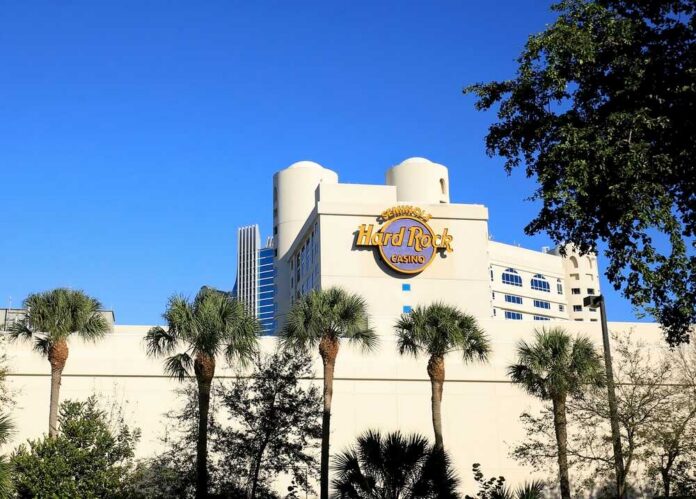
On a Saturday evening around 7 p.m., guests packed the DAER Nightclub pool area at the Seminole Hard Rock Hotel & Casino in Hollywood, Florida, when a line of thunderstorms rolled through.[4] Strong winds hit the rooftop club and sent a metal cabana frame flying off an upper deck down into the crowded pool area below, turning a leisure scene into a rescue scramble.[4] Police and fire officials said five adults were injured and taken to Memorial Regional Hospital, all with non-life-threatening injuries.[4][5] Videos posted online show guests and staff rushing in, lifting parts of the frame, and pulling trapped people to safety as the storm continued.[1]
Local coverage from WSVN and the Miami Herald reported that “wicked weather” and “strong wind gusts” caused the canopy or gazebo-like structure to collapse, echoing resort statements that pinned the event on the storm.[4][5] Forecasters with the National Weather Service said the area was under a significant weather advisory, warning of thunderstorm gusts between 40 and 50 miles per hour,[5] while estimates from the scene put gusts in the 35 to 50 mile per hour range.[4] A Fox News report likewise described a “powerful wind gust” lifting the cabana frame before it crashed into guests near the pool deck.[1][2] Across outlets, the key fact pattern is the same: wind hits rooftop cabana, cabana breaks loose, heavy metal frame lands in a crowd.
Where the Story Gets Murky: Structure, Safety, and Missing Facts
For families and older travelers who expect basic safety at a major resort, the bigger issue is not that a storm hit Florida; storms hit Florida all the time. It is that a sizable metal frame over a busy pool area broke free and fell, and right now the public has no proof it was built or anchored to handle common storm conditions. Reporters note that no details have been shared about how the cabana was anchored, what materials were used, or whether recent inspections flagged any risks.[2][5] Officials have said only that the incident is “under review,” with no structural investigation report released at this time.[2] Without that report, the claim that winds were “beyond reasonable safety measures” rests largely on statements, not independent engineering evidence.
There is also a gap between how the structure is described and how it appears to behave. Different reports call it a cabana, gazebo, canopy, or even pergola,[2][5] which suggests the technical design and load standards are not yet clear. Wind gusts in the reported 35 to 50 mile per hour range fall within what many outdoor structures in storm-prone regions are expected to endure without collapsing under normal codes.[3] In other Florida resort cases, operators often cite “unusually strong winds” after an incident, but later forensic work sometimes finds problems with anchoring, maintenance, or design that made a failure in a moderate storm more likely.[11] Until a structural engineer documents how this frame was secured and rated, guests must choose between a simple wind story and the possibility of deeper safety issues.
Liability Patterns: Extreme Weather vs. Negligence
The tension seen here is common in resort liability fights. When something heavy collapses at a pool or deck, property owners often point first to “freak” weather or other outside forces.[11] That narrative can limit legal blame by framing the event as unavoidable. But as personal injury attorneys explain in pool injury cases, victims must prove actual property defects, safety code violations, or dangerous conditions that managers allowed to persist.[11] Evidence like maintenance logs, inspection checklists, and prior complaints becomes crucial to show that the hazard was known or should have been known before people were hurt.[11] In this incident, those records have not been made public, even as dramatic footage and headlines race across television and social media.
Video clips from Instagram and Facebook show the frame ripped from its base and guests scrambling, a “terrifying scene” that shapes public views long before engineers weigh in.[2][4][5] National coverage on severe weather, including tornadoes and flash flooding around the same time, places the incident inside a larger story of storms hitting unprepared communities,[9] which can strengthen claims that big resorts should anticipate seasonal risks and design for them. At the same time, past structural disasters tied to hotels and towers, like the Hard Rock collapse in New Orleans, have shown how design flaws, poor oversight, and weak workmanship can stay hidden until a failure is captured on a passerby’s video.[6][7][14][16] In that case, investigations uncovered issues such as thinner steel beams and missed inspections that made the structure far weaker than its plans suggested.[6][7][16] Those lessons raise fair questions about every “unexpected” collapse story, including this one.
What Conservative Guests Should Watch For Going Forward
For conservative readers who value personal responsibility and limited but effective oversight, the Seminole Hard Rock case is less about punishing a storm and more about demanding clear accountability from large corporate venues that profit from drawing big crowds. Guests deserve to know whether the cabana frame that fell was built to code, anchored for the wind speeds forecasters plainly warned about, and inspected on a regular schedule. They also deserve to know if engineers find any pattern of cut corners, deferred maintenance, or design shortcuts that put paying customers in harm’s way.[11][14][15][16]
Strong winds caused a large metal cabana structure to collapse into a resort pool at the Seminole Hard Rock Hotel & Casino, injuring several guests. #NYI pic.twitter.com/9jP5Yj8msc
— NewYork-Insight (@NewYork_Insight) June 24, 2026
Until a full structural report is released, the facts are simple but serious: a heavy metal frame above a pool broke loose in a typical Florida thunderstorm, injured five people, and exposed gaps in what the public is allowed to see about resort safety.[1][4][5] The Trump administration has stressed that large businesses should be free to operate but must still meet basic safety standards; that balance depends on honest reporting of failures and firm consequences when negligence is found. For now, families who travel would be wise to pay attention to how this investigation unfolds, and to ask hard questions whenever a company tries to blame “freak weather” without showing its work.
Sources:
[1] Web – Strong winds send a massive metal cabana frame crashing into a crowded …
[2] Web – Thunderstorms send cabana frame crashing down at Seminole Hard …
[3] Web – Severe weather at DAER Nightclub at Seminole Hard Rock caused …
[4] Web – Wind blown cabana injures 5 people at Seminole Hard Rock club …
[5] Web – Five people were injured after strong winds sent a cabana frame …
[6] Web – Strong winds send a massive metal cabana frame crashing into a …
[7] Web – Seminole Hard Rock pool cabana collapses in wind gust … – Fox News
[9] Web – A metal cabana frame ripped from its base by a powerful wind gust …
[11] Web – Seminole Hard Rock pool cabana collapses in wind gust, injuring 5 …
[14] Web – Five people were injured after strong winds sent a cabana frame …
[15] Web – 5 Hurt in Gazebo Collapse at Hard Rock Caused by Gusty Winds …
[16] Web – ROOFTOP SCARE | Five people were injured Saturday after a …