Slovakia’s veto has thrown the EU’s plans for capping Russian oil prices into a precarious situation, leaving member states scrambling for a consensus.
At a Glance
- Slovakia is maintaining its veto due to concerns over phasing out Russian fossil fuels by 2027.
- There are fears that the phase-out plan will lead to higher consumer prices and energy insecurity.
- The European Commission argues the gas bans offer protection against legal claims.
- Bilateral talks are underway to address Slovakia’s energy diversification and legal concerns.
Slovakia’s Veto Halts EU Sanctions
Slovakia is holding firm on its veto of the European Union’s 18th sanctions package against Russia, creating a significant roadblock for the bloc’s efforts to punish Moscow. While the package includes measures like a price cap on Russian oil, the primary sticking point for Slovakia is a provision that would effectively ban the import of Russian gas and oil by 2027.
Slovakia has maintained its veto against the EU’s 14th package of sanctions against Russia over its invasion of Ukraine.https://t.co/nIHzvihqIR
— TVP World (@TVPWorld_com) July 9, 2025
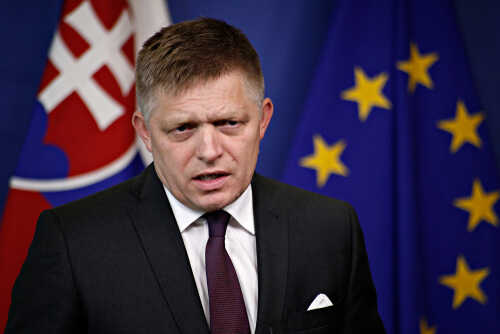
Prime Minister Robert Fico has argued that a premature phase-out of Russian energy would cripple his country’s economy, leading to soaring consumer prices and a loss of competitiveness. “This will harm us, unless an agreement is reached with the European Commission that would compensate us for all the damage this proposal might cause,” Fico stated, demanding financial reimbursement for the potential fallout.
Fears of Economic Harm and Legal Blowback
Beyond the immediate economic impact, Slovak officials are also concerned about the legal ramifications of breaking their long-term energy contracts with Russia’s Gazprom. They fear costly lawsuits unless the EU provides concrete financial and legal protections.
The European Commission has attempted to assuage these fears, arguing the ban would be considered a “force majeure” event, thus protecting member states from legal claims. Dan Jørgensen, Denmark’s minister for development cooperation and global climate policy, who is involved in the negotiations, insisted that the EU is working to ensure Slovakia’s energy supply will “be steady.” However, Bratislava remains unconvinced by these assurances and is holding its ground until a more concrete solution is offered.
A Two-Nation Standoff
Slovakia is not alone in its opposition. Hungary, led by Prime Minister Viktor Orbán, has joined the veto, creating a two-nation standoff that has stalled the entire sanctions package. Hungarian Foreign Minister Péter Szijjártó confirmed the coordinated effort, stating, “Together with Slovakia, we have prevented the adoption of the sanctions package.”
The impasse highlights the deep divisions within the EU over how to balance collective security action with the specific national interests of its members. While intense negotiations continue, the defiance from Slovakia and Hungary has forced Brussels to recalibrate its approach, underscoring the challenge of maintaining a unified front against Russia.