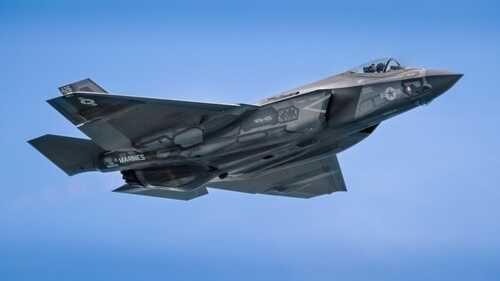
A $200 million F-35 fighter jet crashed after a 50-minute in-flight troubleshooting call with engineers, an incident now under review for its implications on military spending and aircraft maintenance protocols.
Story Snapshot
- F-35 pilot spent nearly an hour on a mid-air conference call with engineers before ejecting over Alaska.
- The crash was caused by water-contaminated hydraulic fluid freezing in the jet’s landing gear system.
- The loss exposes vulnerabilities in high-tech military hardware and raises scrutiny over costly defense programs.
- Maintenance failures and procedural gaps are prompting urgent reviews across Air Force bases.
Technical Breakdown: How a Frozen Hydraulic Line Took Down a $200 Million Jet
On January 28, 2025, an F-35A Lightning II crashed at Eielson Air Force Base, Alaska, after its pilot spent 50 minutes in-flight on a conference call with Lockheed Martin engineers, trying to resolve a landing gear malfunction. The nose gear, disabled by frozen water-contaminated hydraulic fluid, incorrectly signaled that the aircraft was on the ground. According to the Air Force report, this prevented proper flight control and landing functions. After two failed “touch and go” landing attempts, the gear froze solid, forcing the pilot to eject. The aircraft was destroyed in the resulting crash, but the pilot survived with minor injuries.
The root cause, confirmed by the Air Force’s August 2025 accident investigation, was basic maintenance failure: water contamination in hydraulic fluid that froze during pre-flight in Alaska’s subzero conditions. This isn’t just a freak event; Eielson AFB’s extreme cold exposes mechanical and electronic vulnerabilities in the F-35 fleet, which has a long record of technical problems—ranging from sensor and software errors to previous landing gear failures. A similar hydraulic icing incident occurred at the same base just nine days later, though that aircraft landed safely.
Stakeholders and Accountability: Who Bears the Blame?
The incident spotlights a network of responsibility involving the U.S. Air Force, Lockheed Martin, and maintenance squadrons. The pilot, an experienced aviator, followed protocols and consulted experts, but the final decision to eject came when troubleshooting options were exhausted. The 355th Fighter Generation Squadron, tasked with maintenance, faces scrutiny for improper fluid handling. Air Force leadership, including Chief of Staff Gen. David Allvin, has called for renewed safety reviews. Meanwhile, Lockheed Martin, whose technical support was vital but ultimately unsuccessful, is under pressure to improve both engineering and real-time support for its costly hardware.
The dynamic between military operators and private contractors is complex. The Air Force relies heavily on Lockheed Martin for technical troubleshooting, especially in emergencies. Maintenance practices are subject to oversight from both the military and contractors, but recent failures show gaps in accountability that must be addressed.
Broader Implications: Reliability, Spending, and Policy Reform
The destruction of a $196.5 million jet instantly triggered financial, operational, and policy repercussions. Short-term, other F-35s at Eielson AFB faced inspections and temporary groundings. Long-term, the crash highlights persistent maintenance and design vulnerabilities in the F-35 program, which is already under fire for cost overruns and questionable reliability. The Government Accountability Office has flagged the F-35’s projected lifetime cost exceeding $2 trillion and ongoing sustainment challenges. Critics, including public figures like Elon Musk, argue that the complexity and expense of such platforms may not deliver the promised operational advantage, especially in environments like Alaska’s extreme cold.
Some policymakers and commentators argue that the incident reflects broader concerns over inefficient military spending and program oversight. Critics note that costly platforms like the F-35 can be undermined by basic maintenance errors, raising questions about procurement practices and operational readiness. The incident has renewed calls for more accountability in defense procurement and maintenance, and for a return to common-sense stewardship of national security resources.
F-35 pilot held nearly hour-long conference call mid-air to fix fighter jet before it crashedhttps://t.co/heC8jQcT8P
— DjGee (@DjMastaGee2022) August 28, 2025
Aerospace analyst Richard Aboulafia from AeroDynamic Advisory noted that while the F-35 offers advanced capabilities, incidents such as the Alaska crash underscore the need for stronger oversight, winterization standards, and maintenance protocols. The Air Force’s Accident Investigation Board report is clear: technical causes and sequence of events are well-documented, with no significant contradictions among major sources. Moving forward, the challenge lies in ensuring that multi-billion-dollar programs serve their intended purpose without succumbing to preventable failures in the field.
Sources:
F-35 pilot was on phone nearly an hour with engineers before ejection and fiery crash
Alaska F-35 crash: Ice made system think it was on ground, investigation finds
Dramatic F-35 Crash At Alaskan Air Base Caused By Iced-Up Landing Gear
Press Release: F-35 Aircraft Crash Update
Contaminated Hydraulic Fluid Caused F-35 Crash