
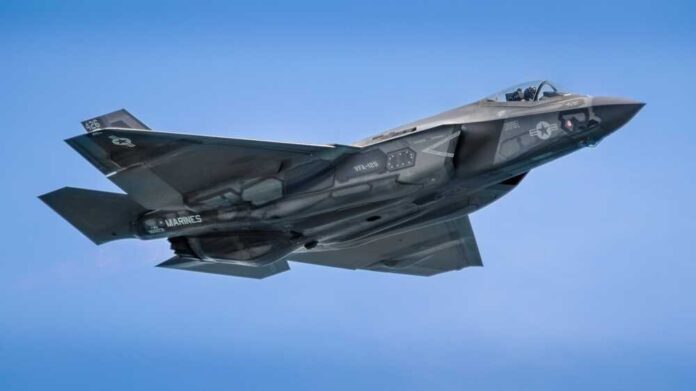
Sovereignty SHOWDOWN: F-35 vs. Gripen
Canada’s fighter-jet review is turning into a sovereignty test: stay locked into a U.S.-controlled system with the F-35, or pivot to Sweden’s Gripen for more domestic control over upgrades, sustainment, and costs.
Story Snapshot
- Canada has bought 16 F-35s but is reviewing the remaining 72 jets in its plan for 88 total fighters, reopening the door to Saab’s Gripen.
- Internal scoring released publicly shows the F-35 dominated Canada’s 2021 evaluation, especially in mission performance, complicating claims that Gripen is “better.”
- Saab is pitching sovereignty and industrial benefits, including the ability to do more upgrades and sustainment locally and a jobs/manufacturing package.
- A mixed fleet (some F-35s plus Gripens) is being floated, but it could increase training and logistics burden for the Royal Canadian Air Force.
Canada’s Review Reopens a Fighter Fight Most Thought Was Settled
Canada’s Future Fighter Capability Project was supposed to end years of procurement drama by selecting a replacement for its aging CF-18 fleet. After the selection of the F-35, Ottawa proceeded with an initial purchase of 16 aircraft, with deliveries expected soon. In early 2026, however, Canada began reviewing the remaining portion of the planned buy, creating uncertainty for the Royal Canadian Air Force and reopening lobbying from competing manufacturers.
The renewed debate is not only about capability; it is also about who controls the jet over decades of service life. Saab argues the Gripen E/F’s design and business model better support local manufacturing, local sustainment, and more independent modernization. Lockheed Martin and F-35 proponents counter with interoperability and high-end performance. Canada’s decision-makers now have to reconcile past scoring, current costs, and the politics of defense dependence.
🇨🇦🇸🇪 BREAKING: Saab floats the idea of a Gripen fighter production hub in Canada, not just for Ottawa, but potentially for exports, including Ukraine.
Could create 10,000 jobs and boost Canada’s air power while complementing a mixed fleet with F-35s. The first jets could start… pic.twitter.com/xHaj4iWY3g
— Defence Index (@Defence_Index) February 6, 2026
Evaluation Data Shows the F-35 Led on Performance, by a Lot
Publicly released details from a 2021 internal evaluation sharpened the central tension: Canada’s own scoring reportedly rated the F-35 far higher than the Gripen across categories, with a particularly wide gap in mission-performance measures. That matters because it limits how far advocates can go in claiming the Gripen is objectively “superior” without qualifying the argument. The available reporting supports a narrower claim: the Gripen’s appeal centers on affordability and sovereignty, not stealth dominance.
Those numbers do not make the review irrational; they clarify what Canada would be trading. The F-35’s fifth-generation advantages—stealth and advanced sensors designed for contested environments—were heavily rewarded in formal scoring. The Gripen’s pitch leans on a different priority set: readiness, cost per flight hour, rapid maintenance, and a structure that can better accommodate domestic sustainment and upgrades. Whether those advantages match Canada’s likely mission profile is the real policy question.
Saab’s “Dual-Fleet” Pitch Targets Cost Control and Independence
Saab’s February 2026 outreach to Canada focused on detailed information supporting a dual-fleet model—keeping a smaller number of F-35s for high-end tasks while adding Gripens for day-to-day air policing, Arctic patrol, and routine NORAD-related missions. The argument is that Canada can preserve a stealth spearhead while using a more affordable platform for coverage, training throughput, and availability. The tradeoff is complexity: two aircraft types mean two pipelines for parts, maintenance, and aircrew training.
Saab also emphasizes industrial benefits and local workshare, including claims of major job impacts tied to manufacturing and sustainment. That message resonates in any country trying to avoid becoming merely a customer for expensive foreign systems. Still, the reporting available does not provide a complete public breakdown of life-cycle costs, nor does it confirm how quickly a Gripen order could be executed compared with Canada’s current delivery plan for the F-35s already purchased.
NORAD Interoperability Is the Hard Constraint Ottawa Can’t Ignore
Canada’s geography forces hard requirements: wide-area air defense, maritime approaches, and Arctic operations that integrate with the United States through NORAD. F-35 backers argue this reality favors an aircraft built into the U.S. and allied ecosystem, with common data links, tactics, and sustainment relationships. Gripen supporters argue the jet is capable enough for most Canadian tasks and better suited to dispersed operations and quick-turn maintenance, especially in austere conditions.
The dispute is partly technical and partly political. The research indicates the “sovereignty” argument is central: Gripen advocates highlight the ability to manage upgrades and sustainment with more national control, while F-35 reliance may keep Canada tied to U.S.-centric support structures. What is not confirmed in the provided research is any final Canadian decision or a definitive public statement settling how Ottawa will prioritize independence versus integration. The review remains ongoing.
Bottom Line: A Sovereignty Argument, Not a Clear-Cut Capability Upset
The strongest supported takeaway is that Canada is not reconsidering the F-35 because the Gripen outscored it in the formal process—available reporting indicates the opposite. Canada is reconsidering because fighter procurement is a long-term governance choice: budgets, sustainment independence, industrial participation, and political leverage all matter. For Americans watching under President Trump, the broader lesson is familiar: when governments overspend or mismanage procurement, they end up reopening settled decisions and paying more to regain flexibility later.
For Canada, the decision will signal whether it values maximum integration with the U.S.-led airpower ecosystem or whether it wants a hedge that increases domestic control—at the price of operating a more complicated fleet. The reporting supports real uncertainty on timing and outcome, but it also supports one clear theme: the Gripen argument rises or falls on sovereignty and cost control, not on claims that stealth and high-end performance do not matter at all.
Sources:
F-35 clear winner Canada fighter evaluation
Canada Might Pick the JAS 39 Gripen over the F-35 Stealth Fighter for 1 Reason
F-35 Gripen Canada’s fighter jet dilemma explained
Saab shares detailed information on Gripen with Canada as part of dual-fleet pitch
Why the Gripen vs F35 debate isn’t