
Iran’s latest missile-and-drone strike shows the hard truth many voters didn’t want to hear: this war is not “nearly over,” and U.S. troops are still taking hits on allied soil.
Quick Take
- Iran struck Prince Sultan Air Base near Riyadh on March 27, wounding at least 10 U.S. service members, with two reported in serious condition.
- The attack damaged U.S. refueling aircraft, putting a spotlight on vulnerabilities in American logistics and basing across the Gulf.
- Reports conflict slightly on the injury count (10 versus as many as 12), but multiple outlets agree the base was hit and Americans were wounded.
- U.S. officials have argued Iran’s missile arsenal is being degraded, yet U.S. intelligence assessments cited in reporting indicate only about one-third of missiles have been eliminated.
- The strike lands as MAGA voters debate an expanding war footprint, rising energy costs, and whether Washington’s objectives match the promises they voted for.
Prince Sultan Air Base Hit Again, Americans Wounded
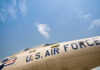
Iran targeted Prince Sultan Air Base in Saudi Arabia on March 27 with missiles and drones, according to reporting that cited U.S. officials. The base, located near Riyadh and used by both U.S. and Saudi forces, saw at least 10 American service members wounded; some reports place the number higher. Officials said two were in serious condition. The strike also damaged several U.S. refueling aircraft, a repeat of earlier March damage at the same location.
Damage to refueling aircraft matters because it directly affects sortie rates, range, and the ability to sustain operations across long distances. In practical terms, tankers and refueling-capable platforms are the “oxygen” of modern air campaigns. Hitting those assets is a way to slow the tempo without having to defeat U.S. forces in a head-on fight. Satellite imagery cited in reporting was said to confirm damage, even as the base remained operational.
A Pattern of Strikes Undercuts “Mission Accomplished” Messaging
The March 27 strike fits a longer March pattern of Iranian attacks on Saudi and U.S.-linked sites. Reporting and compiled incident timelines describe repeated hits or attempted hits on Prince Sultan earlier in the month, along with attacks aimed at refineries, oil facilities, and locations around Riyadh. The broader war began after late-February coordinated U.S. and Israeli strikes on Iranian targets, followed by Iran’s retaliatory missile and drone campaign across the region.
That continuing pattern complicates public claims that Iran’s capability has been largely neutralized. Some administration messaging has emphasized rapid progress against Iranian launchers and production capacity. Yet reporting citing U.S. intelligence assessments has suggested a more limited dent in Iran’s missile stockpiles—closer to one-third destroyed—implying the regime retains enough inventory and know-how to keep firing. The facts on the ground—repeated hits and wounded Americans—reinforce that the threat is not theoretical.
What the Strike Signals About Strategy and Risk
Iran’s approach highlights a classic asymmetric play: avoid direct conventional confrontation and instead punish predictable nodes—bases, energy infrastructure, and regional partners—using missiles and drones. Prince Sultan is valuable because it supports U.S. air operations, and it sits within reach of systems Iran has repeatedly shown it can launch. The strike also shows why allied territory does not guarantee safety; Gulf basing can become both a necessity for operations and a magnet for retaliation.
Domestic Pressure Builds as Costs Rise and Objectives Blur
Political pressure inside the U.S. is rising because many conservative voters supported a platform skeptical of open-ended conflict, and the war’s visible costs keep stacking up. Reporting places total U.S. casualties in the conflict at 13 killed and more than 300 wounded, with some personnel reportedly out of action. At the same time, attacks on oil infrastructure and the broader regional risk picture feed higher energy anxiety—an issue that hits family budgets and small businesses first.
Report: 10 U.S. Soldiers Wounded in Iranian Strike at Saudi Arabia Base https://t.co/Ydynh1KJTG
— 🌺🌿kam🌿🌺 (@pjkate) March 28, 2026
The tightest constitutional question for voters is not whether America can retaliate, but whether the mission has defined limits and a clear endpoint. The available reporting focuses on damage assessments, casualty counts, and official statements rather than a detailed public plan for how the conflict concludes. With that gap, supporters inevitably split: some back escalation to end the threat, while others see another cycle of Middle East entanglement that grows beyond its original justification.
Sources:
iranian-missile-hits-an-airbase-in-saudi-arabia-injuring-u-s-troops
iranian-attack-on-saudi-base-injures-at-least-10-us-troops-and-damages-several-planes