A bill named after Nancy Pelosi, aimed at banning congressional stock trading, challenges past practices and raises questions of genuine reform.
Story Snapshot
- The PELOSI Act aims to ban members of Congress from trading individual stocks.
- Sen. Josh Hawley introduced the bill, which has bipartisan support.
- Pelosi’s support contrasts her past opposition, sparking debate on her motivations.
- The bill highlights ongoing concerns about ethics in Congress.
Pelosi’s Surprising Support for the PELOSI Act
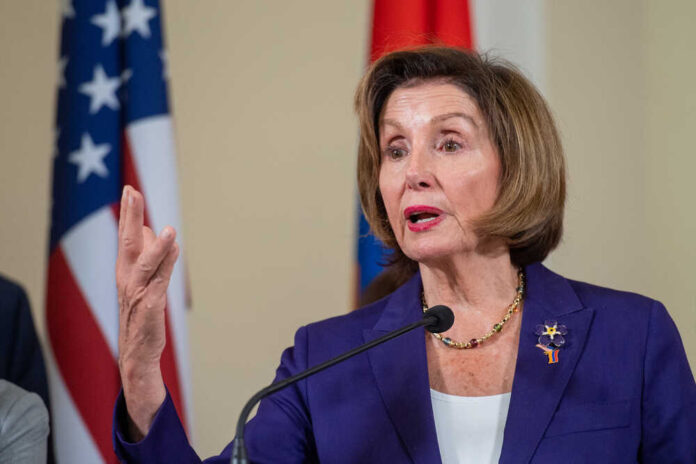
The PELOSI Act, introduced by Sen. Josh Hawley, seeks to ban congressional members and their spouses from trading individual stocks, a move aimed at restoring public trust in government. The bill’s progression marks a significant shift, especially with Rep. Nancy Pelosi’s endorsement, despite her past opposition to such measures. Critics question whether her support represents genuine reform or strategic positioning as she approaches retirement.
Named after Pelosi, the bill symbolizes an attempt to address the ethical concerns surrounding congressional stock trading. Pelosi and her husband, Paul Pelosi, have previously faced scrutiny for their trading activities, fueling public distrust. This legislative move is seen as a response to growing populist sentiment against perceived elite self-dealing.
OPINION: Why it’s time to ban stock trading for DC politicians https://t.co/S2BPIr2tAK
— Washington Examiner (@dcexaminer) August 6, 2025
Bipartisan Backing and Legislative Journey
The bipartisan support behind the PELOSI Act highlights a shared concern across party lines about congressional ethics. Advanced out of the Senate Homeland Security and Governmental Affairs Committee in July 2025, the bill now awaits a full Senate vote. Its advancement reflects a broader call for transparency and accountability in government, responding to public pressure for stricter rules on stock trading by lawmakers.
Hawley’s push for immediate floor action underscores the urgency felt by many to address this issue. Despite some resistance, the bill’s scope has expanded to include the president, vice president, and their spouses, effective with the next administration. This expansion aims to comprehensively tackle conflicts of interest at the highest levels.
Implications and Future Prospects
In the short term, the PELOSI Act could lead to increased scrutiny of lawmakers’ financial activities and potential divestment of personal holdings. Long-term implications may include a reduction in perceived conflicts of interest and setting a precedent for broader ethics reforms. The financial services industry could see shifts in client portfolios, while public perception of congressional integrity may improve.
As the bill progresses, it could become a pivotal issue in upcoming elections, influencing debates on ethics and accountability. The focus on congressional stock trading reflects broader societal concerns about transparency and trust in government, as citizens demand leaders who prioritize public interest over personal gain.
Sources:
Hawley Advances PELOSI Act to Ban Congressional Stock Trading Out of Committee
CBS News: Hawley, Democrats vote to advance congressional stock trading ban
Congress.gov: S.1879 – Ban Congressional Stock Trading Act
Fox News: Trump backs stock trading ban