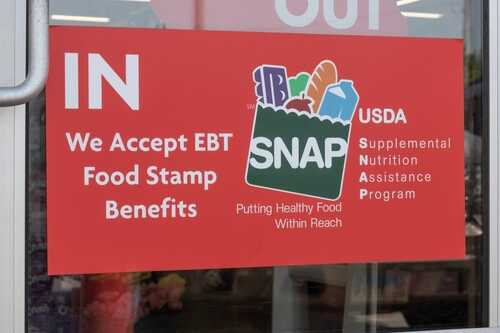
America’s food banks are bursting at the seams as millions of citizens face hunger after the longest government shutdown in history left 42 million without vital SNAP benefits—exposing the devastating cost of failed leftist policies and the urgent need for constitutional priorities.
Story Snapshot
- The record-setting government shutdown led to the halt of SNAP benefits for nearly 42 million Americans beginning November 1, 2025.
- The cessation of funding has caused a humanitarian emergency, overwhelming food banks and relief organizations nationwide.
- The crisis is rooted in the political stalemate over budget appropriations and the administration’s refusal to release full contingency funds for the program.
- Lawmakers are facing pressure to restore funding and address the vulnerability of essential social safety net programs.
Historic SNAP Benefits Halt Puts Millions at Risk
The ongoing federal government shutdown, which began on October 1, 2025, led to the suspension of payments for the Supplemental Nutrition Assistance Program (SNAP) starting November 1. This halt has had an immediate and severe impact across the country, affecting approximately 42 million Americans—a population that includes many working families, seniors, and children.
The loss of these monthly benefits—which provide an average of about $187 per person—has created a humanitarian emergency. In major cities, food banks and charitable relief organizations, such as St. Mary’s Food Bank in Phoenix, are reporting unprecedented demand, with thousands of families waiting in long lines for basic food assistance.
Chris Coons on the shutdown:
“Frankly, this is our only bit of leverage.”
🤯
42 million Americans are going to go hungry & lose SNAP benefits THIS WEEKEND … so Dems can have “leverage.”
DISGUSTING.
pic.twitter.com/ETwvMb1O30— Townhall.com (@townhallcom) October 28, 2025
Food Banks Overwhelmed as Hunger Surges
Food banks and hunger relief organizations, which typically serve as a supplement to SNAP, are struggling to absorb the immense surge in need. Organizations report having to turn people away after supplies are rapidly depleted, as they are not structurally equipped to replace the estimated $8 billion in lost monthly federal funding. Analysts note that for every one meal supplied by a food bank, SNAP typically provides nine.
The crisis highlights the vulnerability of the nation’s social safety net programs during a funding lapse. The U.S. Department of Agriculture (USDA) initially informed states that funding for November would not be issued, citing the ongoing shutdown.
Political Standoff Over Contingency Funds
The crisis intensified due to a political conflict over contingency funds. Although billions of dollars in emergency funds were available for SNAP, the administration initially declined to use the full contingency fund to cover the shortfall, leading to a legal challenge. On November 3, 2025, the USDA announced it would use $4.65 billion in emergency contingency dollars to fund only about half of the SNAP program for November, following a lawsuit filed by 25 Democratic Attorneys General and Governors.
The administration’s stance has been criticized for placing political leverage over immediate humanitarian needs. The situation underscores the urgent necessity for fiscal responsibility and bipartisan compromise to prevent essential services from becoming casualties of political stalemates.
Restoring Public Trust and Policy Reform
The shutdown’s effect on food assistance has eroded public trust in the government’s ability to maintain essential services. The economic strain extends to local communities reliant on the federal funds that flowed from the SNAP program.
Advocates are calling for immediate legislative action to restore full SNAP funding and for permanent reforms to protect federal workers and beneficiaries from future funding crises. The outcome of the legal challenge regarding the use of contingency funds will establish a precedent for how essential programs are managed during future government shutdowns.