Federal agents in Operation Dead Horse just crushed LA’s notorious 18th Street gang, arresting 12 key players who turned homeless encampments into deadly fentanyl and meth markets—finally reclaiming streets from chaos fueled by years of weak border policies.
Story Snapshot
- 12 alleged gang members arrested March 5, 2026, including street boss Keiko Marie Gonzalez (“Moms”) charged with ordering murders over extortion “taxes.”
- Gang exploited MacArthur Park and Skid Row tents to hide massive fentanyl and meth trafficking, linked to Mexican Mafia control.
- Seizures include $80,000 cash, six firearms, 10 pounds fentanyl, 5 pounds meth on arrest day; total probe recovered 175+ pounds drugs.
- Six fugitives at large, including two who fled to Mexico and Guatemala; underscores urgency of stronger border enforcement under President Trump.
- Law enforcement vows to return parks to communities, disrupting transnational crime networks preying on urban vulnerabilities.
Operation Dead Horse Dismantles Gang Leadership
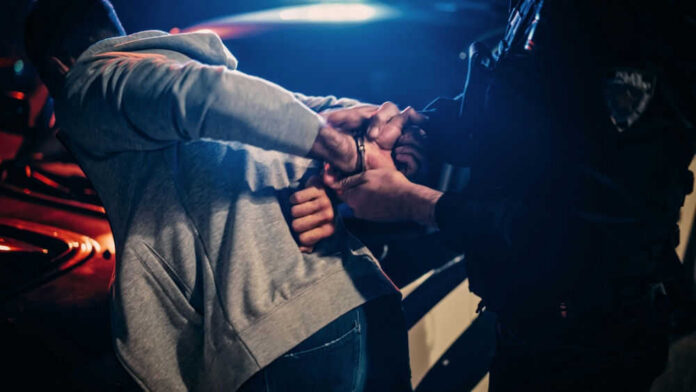
On March 5, 2026, U.S. Attorney’s Office, FBI, DEA, and LAPD executed search warrants and arrested 12 members of the 18th Street gang, Los Angeles’ largest street gang. Seven federal indictments unsealed charges of racketeering, murder, extortion, drug trafficking, and illegal gambling. Street boss Keiko Marie Gonzalez, 59, allegedly bridged imprisoned Mexican Mafia leaders to street operations, ordering a July 2022 murder of a female drug trafficker for unpaid extortion taxes. Shooters George Carillo, 60, and Carlos Beltran, 48, face life sentences for murder in aid of racketeering. Associates Edward Escalante, Edward Alvarenga, and Felipe De Los Angeles charged with extortion and meth distribution. This multi-agency effort, launched January 2023, targeted organizers poisoning communities with fentanyl and meth.
Gang’s Exploitation of Homeless Encampments Exposed
The 18th Street gang controlled open-air drug markets in MacArthur Park and Skid Row, blending operations with homeless tents to evade detection. They extorted drug dealers through “taxes,” ran illegal gambling “casitas,” and committed retaliatory murders. MacArthur Park became a crime-infested hub of addicts and violence, with gang activities extending to Hollywood, downtown LA, and San Fernando Valley. Ties to Mexican Mafia provided prison-to-street directives, enabling transnational fentanyl and meth distribution. LAPD’s homicide investigation intersected the probe, expanding its scope to leadership. Under prior lax policies, such networks thrived, eroding safe neighborhoods and family values through rampant addiction and crime.
Seizures and Fugitive Hunt Signal Victory for Law and Order
Agents seized $80,000 cash, six firearms, 10 pounds fentanyl, and 5 pounds meth during arrests, with the full investigation recovering over 175 pounds of drugs and numerous weapons. Eight suspects remain in custody after arraignments in U.S. District Court, Los Angeles. Six fugitives evade capture: two fled—one to Mexico, one to Guatemala—while four hide in the LA area, photos released publicly. First Assistant U.S. Attorney Bill Essayli declared the gang harmed MacArthur Park, filling it with criminals. DEA’s Anthony Chrysanthis pledged to return the park to the community. LAPD Chief Jim McDonnell and FBI’s Robert Molvar emphasized targeting highest levels.
This operation models effective federal-local collaboration, hitting gang revenue and supply chains. Short-term, it disrupts drug flow and violence in key areas. Long-term, life sentences could weaken Mexican Mafia influence, protecting residents from extortion and murders. Communities like MacArthur Park gain relief from open crime, while exposing how gangs exploit homelessness—a problem worsened by past open-border failures. President Trump’s focus on deporting criminals aligns perfectly, preventing fugitives’ escapes and securing borders against transnational threats. Limited defense perspectives available; law enforcement consensus highlights community reclamation through leadership takedowns.
Reclaiming Communities from Transnational Threats
Residents in MacArthur Park, Skid Row, Hollywood, and beyond suffer daily from gang-driven addiction and terror. Economic hits to gang profits curb further violence; socially, reduced fentanyl and meth eases overdose crises devastating families. Politically, this boosts narratives of tough enforcement amid urban decay from unchecked immigration and crime. The gang’s evolution into a validated Mexican Mafia associate demands sustained RICO-style operations. With fugitives fleeing south, Trump’s immigration crackdowns prove essential to block reinforcements and ensure justice. Americans weary of sanctuary havens cheer this step toward safer streets and restored order.
Sources:
Los Angeles street gang members arrested on federal charges including murder, drug trafficking.