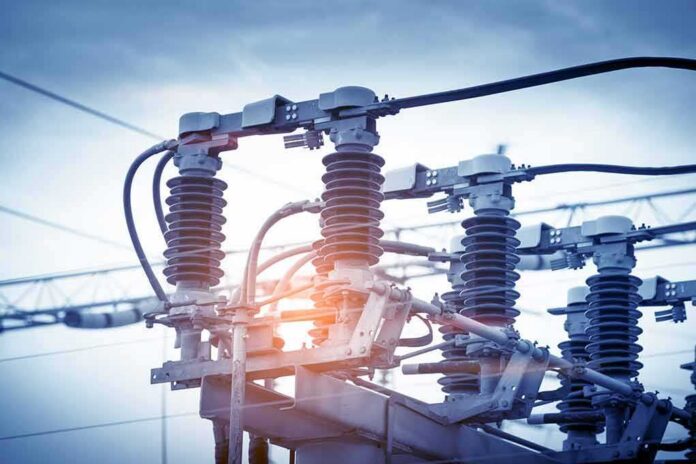
Iran-linked hackers shut a British power plant for four days, exposing how fast foreign regimes can hit the West’s energy lifelines.
Story Highlights
- British reports say Iran-linked hackers forced a small UK power plant offline for four days.
- UK officials say the outage did not threaten the wider national grid.
- Security leaders warn hostile states drive most attacks on critical infrastructure.
- The incident underscores rising risks to energy and the need for tougher cyber defenses.
UK Confirms Four-Day Shutdown, Says Grid Stayed Safe
British media reported that hackers tied to Iran shut down a small UK power facility for four days in July, marking a first-of-its-kind disruption to a British generator by Iranian-linked actors. A United Kingdom government spokesperson said the event hit a small-scale energy site and did not endanger the wider electricity system. Officials withheld the plant’s name for security reasons, a common step in such cases. The facility returned to service after operators worked to restore normal operations and check for further risks.
United Kingdom departments briefed energy providers about the threat and urged vigilance, according to reports. The message was clear: even a smaller generator can be forced offline by a targeted strike, and copycats may try again. This shutdown did not cause a national power crunch, but it showed how a focused attack can create real pain for a local community or region. It also showed how quickly foreign adversaries probe weak links across the Atlantic supply chain.
Attribution Fits A Wider Pattern Of State-Linked Hits
The United Kingdom’s cyber authority has warned for years that hostile states, including Iran, target critical services such as power, water, and transport. Officials recently said about three-quarters of cyber incidents that hit the critical sector had ties to state actors. Reports describe Iranian-linked groups as active and opportunistic against Western targets, sometimes using simple but effective tools to cause disruption. This event aligns with that trend and adds a concrete case that raises the bar for defensive readiness.
Security agencies often keep technical details and plant identities under wraps to protect ongoing defenses and investigations. That practice can limit what the public learns at first, but it helps block repeat attacks that reuse the same entry path. In this case, the public facts are firm on the essentials: a small UK generator went offline for four days; officials linked the attack to Iranian-affiliated hackers through press reporting; and the national grid remained stable. Those points frame the risk without fueling panic.
Why This Matters For American Readers And Energy Security
American power companies face the same pressure. Foreign regimes watch our pipelines, power stations, and water systems. They hunt for weak passwords, out-of-date software, and remote access that no one monitors. They know a short outage can shake public trust and raise costs. United States energy prices rise when supply is stressed, and insurance and compliance costs climb after every scare. That is why hardening smaller sites matters. Attackers will hit the easy target first, then learn and scale up.
President Trump’s administration has pushed agencies and industry to close these gaps with basic steps that work. Operators should segment networks so office malware cannot reach plant controls. They should turn on multi-factor logins for engineers. They should patch exposed systems fast and test backups often. They should run drills with local sheriffs and first responders so a cyber event does not become a safety crisis. Each step is cheaper than a four-day shutdown and the lawsuits that follow.
Deterrence Abroad, Discipline At Home
Foreign adversaries probe Western grids because they think the payoff beats the risk. Clear policy can change that math. When evidence supports it, the United States and allies can impose real costs on state-backed hackers and the regimes that shelter them. Sanctions, seizures, and criminal charges box in these actors and warn others. Strong public-private sharing of threat data helps defenders move first. That is how we protect families, small businesses, and seniors on fixed incomes from blackouts and price spikes.
Iran-linked hackers halt UK power plant in first verified cyberattack https://t.co/QeCXGTgVZG #computerforensics
— compu4n6 (@compu4n6) August 24, 2026
This British case is a warning, not a wave of outages. The grid held. Still, the lesson is urgent. A determined foreign team kept a power plant dark for four days. That is time lost, revenue lost, and trust lost. It took only one weak point. Let us close our weak points now. Secure the remote logins. Train the night shift. Fund the replacements for old gear. Demand results, not reports. Freedom and prosperity depend on reliable energy—and on the will to defend it.
Sources:
feedpress.me, telegraph.co.uk, iranintl.com, x.com