President Trump’s dismissal of Democratic “affordability” messaging as a “con job” faces a critical test as Republicans scramble to defend what should be a safe seat in deep-red Tennessee, revealing potential cracks in the party’s economic messaging strategy.
Story Overview
- Trump calls Democratic affordability messaging a “con job” despite GOP concerns in Tennessee special election
- Republicans face unexpected competition in traditionally safe Tennessee’s 7th Congressional District
- Democratic candidate Aftyn Behn campaigns heavily on affordability issues in deep-red territory
- Tennessee race serves as bellwether for 2026 midterm dynamics and voter sentiment on economic concerns
Trump Confronts Democratic Economic Messaging
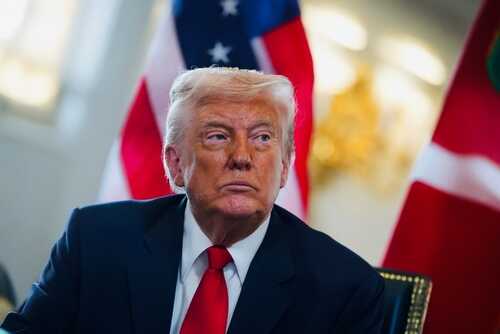
President Trump delivered sharp criticism of Democratic affordability messaging during his December 2025 Cabinet meeting, declaring it a deliberate deception. Trump stated that “the word affordability is a con job by the Democrats” and emphasized that the Biden administration created “the worst inflation in the history of our country.” The President highlighted specific price reductions under his administration, including a 25% decrease in Walmart’s Thanksgiving meal package compared to the previous year under Biden.
White House spokesman Kush Desai reinforced Trump’s position, calling Democratic affordability claims “beyond laughable” given their role in creating “the worst inflation crisis in a generation.” Desai emphasized that Americans remember Trump’s first-term economic success and recognize his current policies are “restoring working-class prosperity.” The administration’s messaging focuses on energy price reductions and tariff strategies as evidence of improved economic conditions for American families.
Tennessee Race Reveals GOP Electoral Vulnerabilities
The December 2025 special election in Tennessee’s 7th Congressional District presents an unexpected challenge for Republicans in what should be safe territory. Democratic candidate Aftyn Behn has centered her campaign on affordability concerns, directly appealing to voters frustrated with grocery prices, healthcare costs, and economic uncertainty. Her messaging includes pointed references to tariff impacts on consumer costs, challenging Trump’s economic narrative in traditionally Republican stronghold.
Behn’s campaign represents a direct test of Democratic affordability messaging in conservative territory. She has framed the election as an opportunity for voters to “tell those in power that we’re done begging for crumbs” and being “sold out” on cost of living issues. The competitive nature of this race in deep-red Tennessee suggests that affordability concerns may transcend traditional partisan boundaries, creating vulnerabilities for Republicans heading into 2026 midterms.
Expert Analysis Warns of Strategic Risks
Political experts express concern about Trump’s strategy of dismissing affordability concerns while simultaneously implementing policies designed to address them. Oklahoma State University politics professor Seth McKee noted that Trump “owned the economy issue in last year’s election,” suggesting his current approach risks squandering this advantage. Analysts warn that voters may perceive Trump’s dismissive rhetoric as being out of touch with their daily economic struggles.
The Tennessee special election outcome will provide immediate evidence of whether Trump’s messaging strategy resonates with voters or proves counterproductive. A competitive result or Democratic victory would signal broader Republican vulnerability in traditionally safe seats, potentially forcing a recalibration of GOP economic messaging. This race serves as a crucial bellwether for 2026 midterm dynamics, where affordability appears likely to remain a central voter concern regardless of Trump’s rhetorical strategy.
Sources:
Are Trump and voters on the same page over affordability concerns