
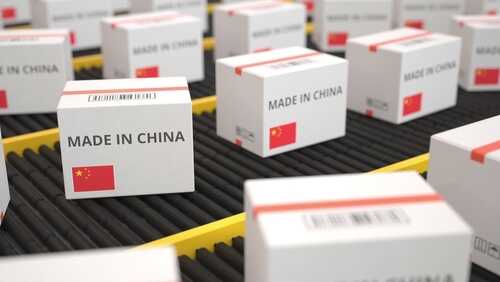
China’s record trade surplus with Africa in 2025 exposes new cracks in global supply chains as Trump’s tariffs force Beijing to flood alternative markets—raising alarms for American industry and conservative values.
Story Snapshot
- Trump’s renewed tariffs have driven Chinese exports away from the U.S. and into Africa, causing China’s trade surplus with Africa to hit historical highs.
- Chinese goods are flooding African markets, deepening trade deficits and raising concerns about local industry and long-term dependency.
- America’s tough stance is reshaping global trade flows, but also highlighting vulnerabilities in U.S. manufacturing and supply chains.
- Experts warn of the strategic risks as China cements economic dominance in Africa and seeks to counter U.S. influence worldwide.
Trump’s Tariffs Trigger a Chinese Trade Pivot
President Trump’s administration, returning to office on a platform of protecting American jobs and industry, has reimposed and increased tariffs on Chinese goods, reaching as high as 145% in 2024. These aggressive measures were designed to cut off easy access for cheap Chinese products into the U.S. market, counter unfair trade practices, and restore American manufacturing. However, the fallout has been swift: Chinese exports to the U.S. plummeted almost 22% year-on-year by mid-2025, pushing Beijing to rapidly reroute its goods to new destinations, most notably, Africa.
China’s response has been calculated and forceful. In just the first five months of 2025, Chinese exports to Africa soared by 20.2%, while imports from Africa to China rose only 1.6%. This surge expanded China’s trade surplus with Africa to nearly the entire 2024 level in less than half a year. The total value of China-Africa trade hit $134.16 billion, a 12.4% year-on-year increase, confirming a dramatic redirection of global trade flows. Economists such as Gyekye Tanoh from Third World Network-Africa note that the rapid growth of Chinese exports poses challenges for African manufacturers, who face heightened competition and potential dependency risks.
Consequences for Africa and the U.S.
This new trade dynamic has far-reaching consequences. African economies, long reliant on commodity exports and Chinese investment, are now grappling with ballooning trade deficits. While consumers in Africa benefit from affordable Chinese goods, domestic producers are undercut, threatening jobs and local industries. China’s Ministry of Commerce announced in 2022 that tariffs were removed on 98% of taxable items from 21 African nations, though trade balances remain skewed in China’s favor. According to economist Carlos Lopes from the University of Cape Town, unless African nations strengthen value-added production, they risk becoming destinations for surplus Chinese manufacturing output.
For the U.S., the tariff strategy reflects a hard line against globalism and unfair competition, resonating with conservatives frustrated by decades of manufacturing decline and rising trade deficits. Yet, the rerouting of Chinese goods to other regions also exposes American industry to new forms of global risk. As China strengthens its ties with Africa, its leverage in global supply chains grows—potentially undercutting U.S. influence and making it harder to defend American interests abroad. The Trump administration’s tough approach highlights the need for vigilance: defending the American worker requires a holistic strategy that anticipates China’s countermoves and shores up domestic production, rather than simply shifting trade imbalances elsewhere.
Global Supply Chains and Conservative Values at Stake
The broader implications are profound. China’s pivot to Africa is not just about trade numbers; it is a strategic recalibration designed to circumvent U.S. pressure and build alliances in regions eager for investment. This dynamic challenges core conservative principles of economic sovereignty, fair competition, and national security. American policymakers must recognize that tariffs alone, while a necessary defense, are not sufficient. Without a comprehensive plan to boost domestic manufacturing, secure critical supply chains, and limit China’s ability to exploit global trade routes, the very foundations of American economic strength and traditional values remain at risk.
China’s Exports to Africa Are Soaring as Trade to U.S. Plunges https://t.co/E3WIKN5Wua via @NYTimes
— Kwezi Tabaro (@Kwezi_Tabaro) September 9, 2025
Looking ahead, global supply chains will continue to shift as China cements its dominance in Africa and other emerging markets. For conservatives, the lesson is clear: vigilance, self-reliance, and a relentless focus on American interests are required to ensure that the nation’s values—and its economy—are not undermined by foreign agendas or the unintended consequences of global trade wars. The Trump administration’s actions have exposed the stakes, but the fight for economic sovereignty and American manufacturing leadership is far from over.
Sources:
China-Africa trade hits $134.16bn, up 12.4% in first five months of 2025
China-Africa trade: Deepening China-Africa trade amidst economic challenges
China Balance of Trade – Trading Economics
SAIS-CARI: Data: China-Africa Trade
China’s exports grow despite tariff turmoil as trade pivots to Africa