
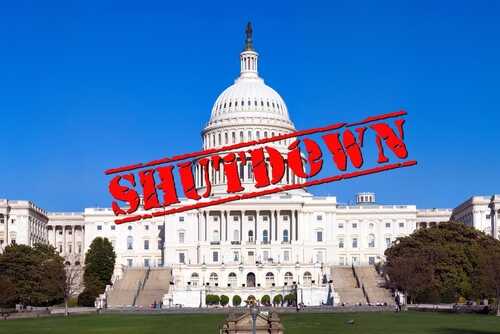
A bipartisan Senate deal to end the longest government shutdown in U.S. history has received President Trump’s backing, but not without stirring debates over unresolved issues.
Story Highlights
- President Trump supports a Senate agreement to end the 40-day government shutdown.
- The deal includes back pay for federal workers and reverses layoffs.
- Democrats’ demands on health care remain unmet, signaling potential future conflicts.
Trump’s Support for the Senate Deal
President Donald Trump has expressed his willingness to support a bipartisan Senate agreement aimed at ending the longest government shutdown in U.S. history. The shutdown, which has stretched over 40 days, has caused significant disruption, affecting federal workers and services nationwide. The bipartisan agreement proposes to fund certain federal agencies through the end of fiscal 2026 and others through January. Importantly, it guarantees back pay for furloughed workers and reverses thousands of layoffs that occurred during the shutdown.
Despite President Trump’s support, the deal falls short of addressing all Democratic demands, particularly those concerning health care premium increases. This has been a sticking point in negotiations, with Democrats pushing for measures to prevent premium hikes and Republicans resisting these proposals. The agreement, nevertheless, has garnered enough bipartisan support in the Senate, ensuring its advancement to the House, where it awaits further consideration before reaching the President’s desk.
Bipartisan Dynamics and Legislative Process
The bipartisan nature of the deal highlights the complexities of political negotiation in the current climate. Senate leaders from both parties have worked to craft an agreement that balances fiscal restraint with necessary concessions to end the shutdown. This has involved significant negotiation and compromise, particularly from Senate Republicans and moderate Democrats who formed a coalition to advance the deal. While some progressive Democrats have voiced concerns over the agreement’s adequacy, the pressing need to reopen the government has driven broader support.
The public pressure resulting from the prolonged shutdown has played a crucial role in shaping these negotiations. As federal agencies began furloughing workers and issuing layoffs, the economic and social impact became increasingly untenable. The disruption to federal services and the financial strain on federal workers and their families have amplified calls for a resolution, pushing both parties toward compromise.
Future Challenges and Unresolved Issues
While the Senate agreement represents a significant step toward resolving the immediate crisis, it leaves several critical issues unresolved. Notably, the deal’s failure to address health care premium increases sets the stage for potential future conflicts. With the continuing resolution set to expire in January, there is a looming possibility of renewed budget standoffs if these contentious issues remain unaddressed.
Additionally, the political ramifications of the shutdown and its resolution are likely to persist. The erosion of public trust in government, coupled with increased polarization, may have lasting effects on future negotiations and electoral outcomes. Federal employees, contractors, and communities reliant on government services continue to face uncertainty, underscoring the need for more sustainable solutions to prevent similar crises in the future.
US Senate passes deal to end 40-day government shutdown
Bipartisan vote restores federal services, SNAP benefits, and sets December vote on ACA subsidies after eight Democrats join Republicans to clear the way. pic.twitter.com/pfFQuZKss3
— Jungle Journey (@JnglJourney) November 10, 2025
Sources:
GovExec: Senate moves shutdown-ending deal that would ensure backpay and unwind some federal layoffs