A new collectivist tax proposal threatens New York City’s economic vitality, igniting debates over wealth redistribution.
Story Snapshot
- Zohran Mamdani sworn in as NYC Mayor, vows to tax the rich.
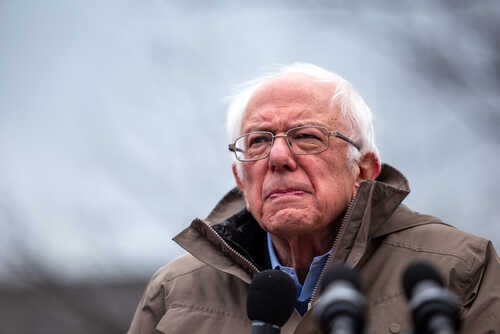
- Inauguration marked by chants of “Tax the Rich” led by Bernie Sanders.
- Proposals aim to fund universal childcare and other social programs.
- Fears of wealthy exodus and economic impact amid high living costs.
Mamdani’s Inauguration Sparks Economic Debate
During his inauguration as New York City Mayor, Zohran Mamdani, a democratic socialist, promised significant tax increases on high earners, as supporters chanted “Tax the rich.” The event, attended by notable figures like Senator Bernie Sanders, highlighted plans to fund social programs such as universal childcare and rent freezes. This move aligns with Mamdani’s campaign agenda but has sparked significant debate over its potential economic consequences.
The inauguration ceremony at City Hall symbolized a shift towards collectivist policies, contrasting with historical norms of wealth concentration. Mamdani’s proposal to raise the top city tax rate from 3.9% to 5.9%—potentially reaching 17% when combined with state taxes—has drawn both praise for its progressive agenda and criticism for its potential to drive away affluent residents.
Economic Concerns and Political Dynamics
Critics, including business leaders and some state officials, warn that Mamdani’s tax plan could trigger an exodus of wealthy individuals, undermining the city’s economic base. Billionaire John Catsimatidis has openly threatened to relocate his businesses, while others express concerns over the long-term viability of such a high tax rate. Governor Kathy Hochul has voiced opposition, highlighting the need to keep high earners in New York to maintain economic stability.
Despite these concerns, Mamdani remains committed to his agenda, emphasizing that the redistribution of wealth is necessary for social equity. Public opinion appears to support his vision, with recent polls indicating strong backing for taxing the rich. However, the proposal requires state approval, adding another layer of complexity to its potential implementation.
Implications for New York City
The proposed tax hikes are intended to address the city’s high cost of living and fund essential services for working-class residents. Supporters argue that these measures will enhance social equity and improve quality of life. However, the prospect of an increased tax burden raises questions about New York City’s attractiveness to investors and potential revenue losses if affluent residents choose to leave.
“Tax the Rich” Chants as New York Embraces Collectivismhttps://t.co/WQFZ6QWlaW
— GovernedByCriminals (@GovByCriminals) January 4, 2026
The debate surrounding Mamdani’s tax plan underscores the broader national conversation about fiscal policy and wealth distribution. As the city waits for the state legislature’s decision, New Yorkers are left to ponder the balance between social welfare and economic prosperity.
Sources:
Common Dreams: Zohran Mamdani Tax Plan
Kiplinger: The Mamdani Effect in New York
LA Times: Mamdani’s Expansive Governance