China’s sweeping purge of top military leaders signals a dramatic escalation in Beijing’s internal power struggle, raising urgent questions for America’s national security and the future of global stability.
Story Snapshot
- Beijing ousted nine senior military officials in a sudden anti-corruption campaign.
- Communist Party consolidates control over China’s armed forces amid rising tensions.
- Leadership purge points to instability and possible vulnerabilities in China’s military.
China’s Military Purge: Deepening Power Struggles in Beijing
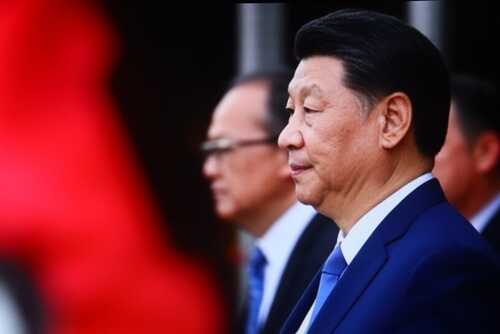
The Communist Party Central Committee in China removed nine senior military leaders last week, marking the culmination of a sweeping anti-corruption campaign within the armed forces. This rare, high-profile purge is being described by observers as a decisive move to shore up the Party’s grip on military power following months of internal investigations. Such mass removals suggest leadership is deeply concerned about corruption’s impact on military discipline and loyalty, especially as China faces mounting external pressures from the West and its own domestic unrest.
These are the names and photos of the nine top PLA flag and general officers whose expulsion from the Party and the military was officially announced today. https://t.co/QdZgZnQdxb pic.twitter.com/mOTbkTdE3O
— Inconvenient Truths by Jennifer Zeng (@jenniferzeng97) October 17, 2025
Implications for U.S. National Security and Global Stability
For American policymakers and the conservative public, these events present both potential opportunities and new risks. On one hand, instability or distraction within the Chinese military could slow aggressive maneuvers in the South China Sea or Taiwan, providing the U.S. with breathing room to reinforce alliances and deterrence. On the other, sudden leadership changes raise concerns about unpredictable behavior, as factions vie for dominance and loyalty to Xi Jinping becomes the sole currency for advancement. This instability raises the possibility of miscalculation or rash decisions that could have global repercussions.
Communist Party’s Consolidation and Threats to Liberty
Beijing’s purge underscores the Communist Party’s relentless campaign to consolidate power and silence dissent, not only within the military but across society. These moves exemplify the dangers of unchecked government authority—a reminder to American readers of the importance of our constitutional safeguards and the need to resist creeping authoritarianism at home. The erosion of trust and transparency in China’s institutions demonstrates the perils of centralized control and the absence of genuine checks and balances, making clear the value of limited government and individual liberty.
Potential Vulnerabilities and Strategic Consequences
While the precise impact of the purge on China’s military readiness remains unclear, history shows that such sweeping personnel changes often disrupt command structures and operational effectiveness. Conservative analysts warn that instability in China’s ranks could expose vulnerabilities that America and its allies must monitor closely. It is essential for the U.S. defense establishment to remain vigilant, strengthen intelligence gathering, and prepare for a range of scenarios—from potential internal conflict in China to abrupt shifts in foreign policy. The situation is fluid, and ongoing developments demand close attention from all who care about safeguarding America’s security and values.