CNN’s Abby Phillip tried to turn a simple Taiwan-defense question into yet another “But Trump!” diversion—right as voters demand seriousness on national security.
Quick Take
- Rep. Alexandria Ocasio-Cortez gave a long, non-committal answer when asked whether the U.S. would defend Taiwan if China invaded.
- CNN’s Abby Phillip framed the moment by comparing it to President Trump’s past verbal missteps, shifting focus away from the substance of the Taiwan question.
- The exchange highlighted a familiar media pattern: reframing a Democrat’s unclear answer as a partisan “both sides” issue.
- With Trump back in office in 2026, the public stakes around deterrence and clarity—especially against China—are higher than cable-news point scoring.
A Taiwan Question That Demanded Clarity
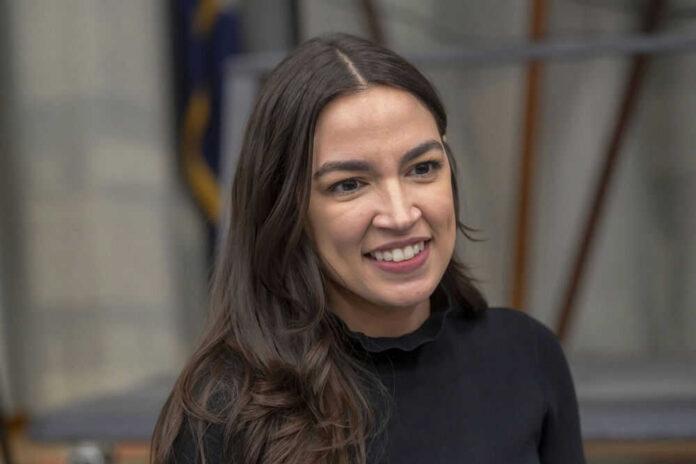
Rep. Alexandria Ocasio-Cortez faced a direct national-security question at the Munich Security Conference: would American troops defend Taiwan in the event of a Chinese invasion, and should they. The available reporting describes her response as lengthy and grounded in “longstanding policy,” but ultimately non-committal on the core yes-or-no issue. That kind of hedging matters because Taiwan deterrence debates often turn on signaling, resolve, and credibility.
U.S. policy language around Taiwan has historically been carefully worded, but the question asked of Ocasio-Cortez was not a technical briefing; it was a plain, public test of judgment. The research provided does not include a full transcript or extended context of her remarks beyond the characterization that she did not directly answer. Without primary footage in the citations, the analysis is limited to how the exchange was described.
CNN’s On-Air Pivot: “But Trump!”
CNN’s NewsNight host Abby Phillip then covered the moment and, according to the research provided, compared Ocasio-Cortez’s answer to President Donald Trump’s verbal missteps. That comparison is central to the controversy because it reframes an elected Democrat’s unclear response on a high-stakes foreign-policy question as a familiar partisan food fight. The result is a shift from “What is the policy position?” to “Who misspeaks more?”
The limited sources available do not provide a detailed breakdown of the entire segment, panel transcript, or the full context of Phillip’s comments beyond the description that she made a Trump comparison. Still, the structure of that pivot is recognizable: when a Democrat appears unprepared, the discussion can quickly become about “tone,” “style,” or an opposing Republican’s past comments, instead of pressing for a clear position.
Why Conservatives See a Media Double Standard
Many conservative viewers have spent years watching legacy outlets apply different levels of scrutiny depending on which party is under the microscope. In this case, the research characterizes Phillip’s framing as a defense—an attempt to “whitewash” the gaffe by turning it into a partisan equivalency. Whether one agrees with that criticism or not, the underlying complaint is straightforward: CNN’s job is to demand clarity from a member of Congress, not to run interference.
That frustration is amplified because Taiwan is not a niche culture-war issue; it’s a potential flashpoint with global economic and military consequences. When media coverage turns accountability into partisan theater, voters are left with less information about what leaders would actually do in a crisis. The research provided does not include polling or expert commentary, so the practical impact beyond the segment itself cannot be quantified here.
What’s Missing From the Public Record—And Why It Matters
The available research acknowledges significant limitations: only two sources, both opinion/analysis oriented, with little independent verification, limited timeline detail, and no expert assessments of Taiwan policy implications. That matters because the most important question is not whether a cable host took a rhetorical shot at Trump, but whether influential lawmakers are prepared to speak plainly about U.S. commitments, deterrence, and the risks of escalation with China.
Until more primary reporting is available—full video of the question-and-answer, a verbatim transcript, or broader coverage from multiple outlets—readers should treat sweeping claims cautiously. Based on what is provided, one conclusion is still fair: the moment became more about cable-news narrative management than about extracting a clear answer on whether America would put skin in the game to defend Taiwan.
Sources:
Abby Phillip Bends Over Backwards to ‘Whitewash’ AOC Gaffe in Hacky Partisan Hitjob
CNN panel tangles over Ocasio-Cortez