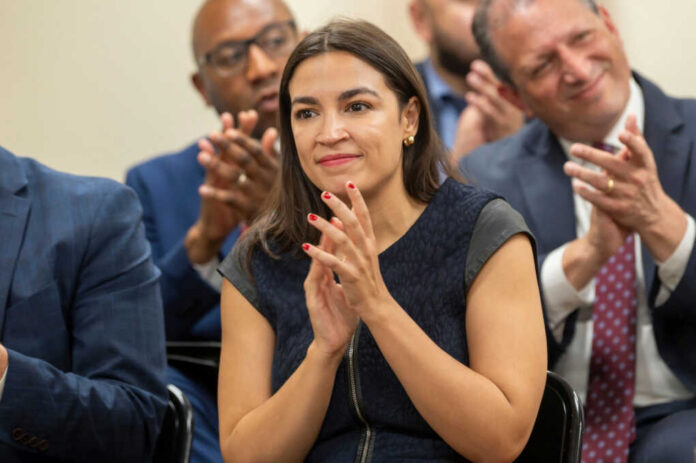
A government watchdog has called for an ethics investigation into Rep. Alexandria Ocasio-Cortez over allegations she misused taxpayer-funded allowances for dance classes and training expenses, though the congresswoman insists the complaint confuses campaign disclosures with official funds—a distinction that raises questions about transparency and accountability in an era when Americans are fed up with lawmakers treating public money like their personal checkbook.
Story Snapshot
- Americans for Public Trust filed a formal complaint with the Office of Congressional Ethics alleging AOC misused her Members’ Representational Allowance for dance classes and training expenses
- AOC denied the allegations, claiming the expenses were campaign-related FEC disclosures, not taxpayer funds, creating a fundamental factual dispute
- The New York congresswoman has a history of ethics scrutiny, including a 2025 finding that she improperly accepted Met Gala gifts valued at $35,000
- AOC raised $15.4 million by mid-2025, making her Congress’s top fundraiser with $13.4 million cash on hand as of January 2026
Watchdog Files Formal Ethics Complaint
Americans for Public Trust submitted a letter to the Office of Congressional Ethics demanding an investigation into whether Rep. Alexandria Ocasio-Cortez misappropriated her Members’ Representational Allowance. The watchdog organization cited MRA filings that allegedly show expenditures on dance classes and training expenses. Executive Director Caitlin Sutherland stated that the expenses “appear to insult hard-working American taxpayers” and warrant investigation to determine prohibited conduct. The MRA provides taxpayer-funded money designated exclusively for official congressional duties and representational functions, not personal enrichment or campaign activities.
AOC Disputes Fundamental Premise of Allegations
Ocasio-Cortez responded directly via social media, stating the watchdog complaint was “100% wrong” and clarifying that the expenses in question were FEC filing disclosures related to campaign activities, not taxpayer money from her Members’ Representational Allowance. This distinction is critical—campaign funds come from political donations and must be reported to the Federal Election Commission, while MRA funds are taxpayer dollars with strict usage restrictions. AOC’s defense hinges on this categorical difference, suggesting the watchdog either misidentified the funding source or intentionally conflated the two. The Office of Congressional Ethics has received the complaint but has not announced whether a formal investigation will proceed.
Pattern of Ethics Scrutiny Raises Concerns
This latest complaint follows a troubling pattern of ethics issues surrounding the progressive congresswoman. In 2021, AOC attended the Met Gala wearing a “tax the rich” dress while accepting approximately $35,000 in free tickets and attire to the exclusive fundraiser. The House Ethics Committee investigated the matter for two years, ultimately concluding in July 2025 that while her attendance did not violate House rules, she improperly accepted gifts and provided inadequate oversight of her staff. The Committee required an additional payment of approximately $3,000 to reflect fair market value of the gifts. Though no formal sanction was issued, the Committee’s findings established that AOC bears responsibility for supervisory accountability, even when staff deficiencies occur without her direct knowledge.
Massive Fundraising Operation Fuels Political Ambitions
AOC has built one of the most formidable fundraising machines in Congress, raising $15.4 million as of mid-2025—more than any other House member and nearly double Speaker Mike Johnson’s $8.7 million. Her fourth quarter 2025 fundraising totaled $3.7 million, the highest quarterly total reported by any politician that year, leaving her with $13.4 million cash on hand as of January 31, 2026. Her campaign finance operations rely heavily on small-dollar donations, with 99.9% of contributions coming from individual donors averaging just $17 per donation. This fundraising prowess has fueled speculation about higher office ambitions, potentially including a Senate run or 2028 presidential campaign, making ethical compliance increasingly critical to her political viability.
Broader Implications for Government Accountability
The core dispute between the watchdog group and AOC centers on whether expenses were taxpayer-funded MRA allowances or campaign-related FEC disclosures—a fundamental factual disagreement that only an OCE investigation can resolve. This case highlights the ongoing tension between external accountability mechanisms and members of Congress over campaign finance transparency and the proper use of official allowances. For Americans already skeptical of government spending and frustrated with politicians who view public funds as personal resources, the distinction matters enormously. If the watchdog’s allegations prove accurate, it represents another example of Washington insiders abusing taxpayer trust. If AOC’s defense holds, it raises questions about watchdog competence and the weaponization of ethics complaints for political purposes. Either outcome further erodes public confidence in congressional oversight.
Sources:
Government Watchdog Calls for Ethics Probe into AOC’s Tax-Funded Spending
Fundraising Update: Representative Alexandria Ocasio-Cortez just disclosed $3.7M of new fundraising
AOC Campaign Money House 15.4 Million War Chest
Alexandria Ocasio-Cortez Summary
Recent House Ethics Committee Actions Signal Expanding Scope of Enforcement