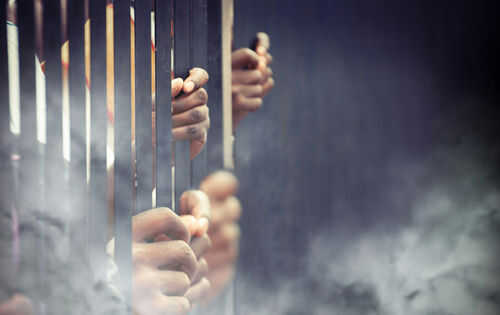
The brutal Iranian regime is holding at least six American citizens hostage in prisons notorious for torture, and the Trump administration has just designated Iran as the first-ever “State Sponsor of Wrongful Detention” to bring maximum pressure for their release.
Story Snapshot
- At least six Americans are confirmed detained in Iran, though experts believe the actual number exceeds eight, with detainees facing unprecedented danger from airstrikes and retaliation
- Secretary of State Marco Rubio designated Iran as a State Sponsor of Wrongful Detention on February 27, 2026, enabling new sanctions and travel bans against the regime
- Kamran Hekmati, a 70-year-old American citizen and Persian Jew, was sentenced to four years in Iran’s notorious Evin Prison simply for visiting Israel in 2012
- Former hostages warn current detainees face life-threatening conditions including torture, untreated medical conditions, and collateral damage from nearby Israeli airstrikes
Trump Administration Takes Unprecedented Action Against Iranian Hostage-Taking
The Trump administration took decisive action against Iran’s decades-long practice of wrongful detention by designating the Islamic Republic as the first-ever State Sponsor of Wrongful Detention. Secretary of State Marco Rubio announced the designation on February 27, 2026, following President Trump’s September 2025 executive order creating this accountability mechanism. The designation enables comprehensive sanctions and travel bans targeting Iranian officials responsible for hostage-taking. Rubio’s message was clear: “Stop taking hostages, release all Americans.” This represents a stark departure from previous administrations’ weak negotiating positions that emboldened the regime.
American Citizen Imprisoned for Israel Visit Highlights Arbitrary Detentions
Kamran Hekmati’s case exemplifies Iran’s outrageous hostage-taking practices. The 70-year-old New York resident traveled to Iran in May 2025 to visit family but was arrested two months later by Iranian authorities. His alleged crime? A trip to Israel in 2012, over a decade earlier. Iran’s Islamic Revolutionary Court sentenced him to four years in Evin Prison, the regime’s most notorious detention facility known for systematic torture and mistreatment. Hekmati suffers from bladder cancer but receives inadequate medical care, according to family members and human rights monitors. His Persian Jewish heritage places him at additional risk of mistreatment by the antisemitic regime.
Detainee Numbers Likely Exceed Public Estimates Amid Wartime Dangers
While the James W. Foley Legacy Foundation officially tracks six American detainees in Iran, experts familiar with the regime’s hostage policy estimate the actual number exceeds eight individuals. The U.S. government deliberately avoids confirming exact numbers for security reasons, but sources indicate Iran systematically underreports detentions to minimize international pressure. At least two Americans are held at Evin Prison, where recent Israeli airstrikes in the vicinity have created life-threatening collateral damage risks. The regime refuses to recognize dual citizenship, treating Iranian-American citizens exclusively as Iranian nationals to deny them consular access and legal protections. This deliberate policy strips Americans of constitutional protections they deserve.
Former Detainees Warn of Unprecedented Threats to American Prisoners
Siamak Namazi, who endured nearly eight years of wrongful detention before his 2023 release, warns current American prisoners face “days of war with no clear end” and unprecedented danger. Reza Valizadeh, a 50-year-old Iranian-American journalist who became a U.S. citizen in 2022, was sentenced to ten years at Evin Prison for his work with U.S.-funded Radio Farda. Iran has imprisoned over fifteen journalists on similarly fabricated charges, using them as bargaining chips. Family members report brief contacts confirming short-term physical safety but express terror over potential retaliation as military tensions escalate. The regime has executed or caused the deaths of at least three Americans in captivity, demonstrating the deadly stakes.
The FBI’s Hostage Recovery Fusion Cell is coordinating efforts to secure releases while pursuing prosecutions against Iranian officials responsible for these kidnappings. President Trump’s March 2026 proclamation on U.S. Hostage and Wrongful Detainee Day referenced the 1979 embassy crisis and vowed “swift justice” for hostage-takers. This maximum pressure approach contrasts sharply with previous administrations’ failed appeasement strategies that only encouraged Iran’s brutal regime. The designation sends an unmistakable message: hostage-taking will result in crippling consequences, not ransom payments or sanctions relief that fund terrorism. Until Iran releases all Americans, the Trump administration will continue tightening the economic and diplomatic vise on this rogue regime that threatens American lives and regional stability.
Sources:
US Designates Iran as State Sponsor of Wrongful Detention
Families of US Detainees in Iran Fear They Risk Becoming Collateral Damage in War
U.S. Hostage and Wrongful Detainee Day, 2026