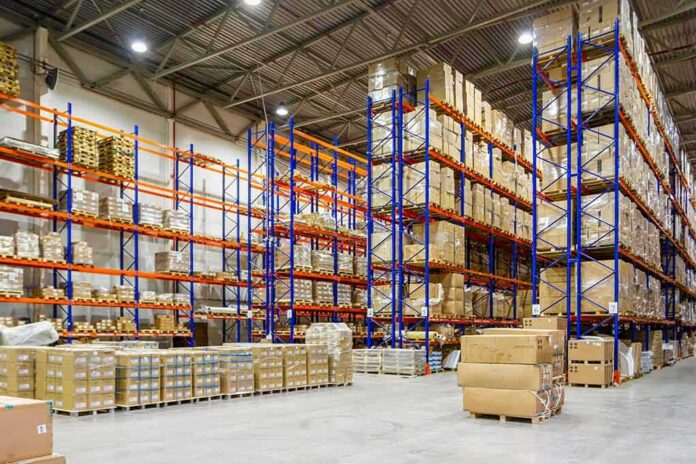
Ukraine’s drone blitz is torching “Russia’s Amazon” warehouses, aiming at Moscow’s supply lines and lighting fires across the Russian economy, according to multiple reports.
Story Highlights
- Ukraine says Wildberries hubs move dual-use gear that aids Russia’s war machine.
- Reuters reports at least 20 sites hit in weeks, with major fires and disruption.
- Satellite imagery shows over one million square meters of warehouse damage.
- Russian officials and the company report civilian deaths and injuries at some sites.
Ukraine Targets Logistics To Raise Russia’s Costs
Reuters reports Ukraine has hit Wildberries distribution hubs almost nightly since mid-July, saying the sites help Russia source and move drone components and navigation gear. Ukrainian officials framed the strikes as a push to “bring the war home,” squeeze supply chains, and raise the price of continuing the invasion. Wildberries is Russia’s largest online retailer, with a vast logistics footprint. Strikes on these nodes ripple through deliveries for millions and stress regional authorities responding to fires.
Reuters says the campaign has damaged or destroyed at least 1.18 million square meters of warehouse space, more than a fifth of Wildberries’ capacity, based on satellite analysis. Business Insider cites commercial imagery that shows multiple hubs burned or gutted, backing up on-the-ground videos of huge blazes. Reuters also reports attacks have spanned several regions and continued despite added defenses, showing a sustained ability to reach deep inside Russia.
Fires, Civilian Harm, And A Sharp Dispute Over Legality
Local officials and Wildberries confirmed multiple fires after drone hits, and in some cases reported deaths and injuries among workers. Reuters and the BBC cite Russian officials who said at least eight people were killed and dozens injured in early waves of strikes on Wildberries sites. The company’s founder, Tatyana Kim, called the attacks “acts of terrorism” and said they were aimed at civilians, urging authorities to investigate and promising compensation to affected sellers.
Ukraine counters that the warehouses qualify as military objectives because they support Russian military logistics. However, public reporting has not included shipping manifests or itemized proof tying each struck site to military goods at the time of impact. That evidentiary gap fuels legal and moral fights over distinction and proportionality under the laws of war, especially when civilian workers are on site. The split is clear: Russia calls it terror; Ukraine calls it a lawful response to invasion-linked supply chains.
Economic Shock Inside Russia’s Retail Arteries
Reuters reports the strikes disrupted distribution across Russia and hit tens of thousands of small sellers who use Wildberries to reach customers. Supply delays, burned inventory, and rerouted freight add costs that ripple through a tight wartime economy. Ukraine’s broader strategy has included attacks on refineries and other logistics targets. Hitting warehouse hubs fits that pattern, as Kyiv works to degrade Russia’s capacity to supply its forces and dull the Kremlin’s claims of business as usual.
🇺🇦🔥 Moscow region today.
The enormous Wildberries logistics centre at Koledino burns following a Ukrainian drone strike.
Around 250,000 square metres — the company’s largest warehouse by area.
Wildberries is a civilian e-commerce giant, but Ukraine says its logistics network… pic.twitter.com/4qjAIMsFaf
— GMan | GMan’s Chronicle (@FAB87F) August 17, 2026
While Ukraine frames the damage as a military necessity, the visible impact on civilians and merchants complicates outside perception. News coverage often shows flames, smoke, and injured workers. That imagery shapes the debate more than opaque intelligence about dual-use goods. Without public, site-specific proof for each strike, opponents will keep saying these are economic attacks first and military hits second. Kyiv argues the two are linked when a retailer’s network feeds wartime supply chains.
What It Means For The United States And Our Allies
American readers should see two hard truths. First, logistics win wars. Warehouses, data, and delivery speed can matter as much as tanks. Second, modern battlefields blur lines when civilian systems move dual-use tech. That is why facts and transparency matter. Clear proof of military use helps justify strikes and protect civilians. Russia and Ukraine both target logistics. The West should press for evidence standards that meet the law while denying autocrats easy propaganda wins.
For conservatives who value strength and clarity, this story underscores a core lesson: weakness invites chaos, but discipline holds allies together. President Trump has pushed for burden-sharing and real accountability. That approach fits here. Support Ukraine’s right to self-defense, insist on lawful targeting, and expose Moscow’s double standards. Do not let propaganda wash away the main fact: Russia chose to invade, and that choice created this warehouse war. The fastest way to stop fires is to stop the aggression.
Sources:
reuters.com, businessinsider.com, bbc.com