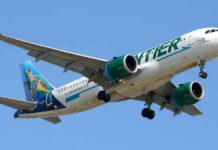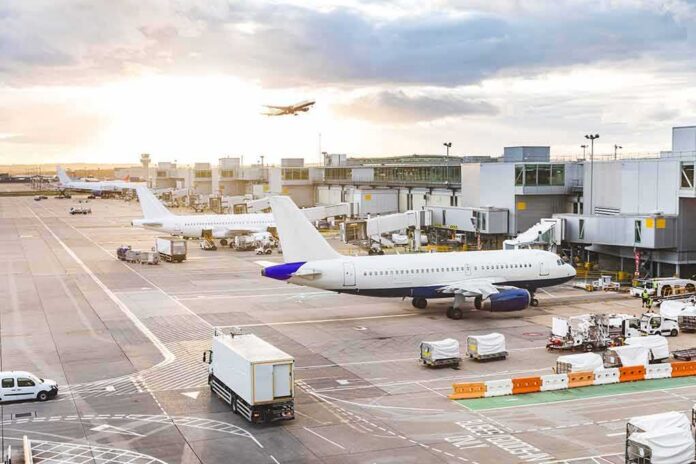
Federal prosecutors say a student took paid photo “assignments” of U.S. aircraft and airport logistics at Chicago O’Hare after guidance from an online contact tied to China, and a judge ordered him detained pending trial.
Story Highlights
- An affidavit says the student photographed aircraft, including military planes, after tasking by a Chinese contact.
- Prosecutors allege he also targeted a FedEx site and tried to access trailers at O’Hare.
- The indictment charges one federal count for making false statements; he pleaded not guilty.
- Agents say payments of about $20–$30 per image were sent via a Bank of China account.
What Prosecutors Allege About The Airport Photo Missions
Federal court filings describe a pattern that goes beyond hobby plane spotting. An affidavit says agents found photos of aircraft and military aircraft on the student’s phone. It says he admitted taking pictures at Chicago O’Hare after an online contact requested specific planes and locations. Reporting adds that the contact provided tasks that included a FedEx facility. Prosecutors say those tasks moved from planes to airport logistics, which raises security concerns for any major hub.
Prosecutors allege the student climbed onto a parked forklift and tried to open locked trailers during one O’Hare visit. That claim, if proved, suggests an attempt to probe restricted areas, not simply stand at a public fence line. Investigators say the phone also contained images of military aircraft taken across several sites. The government points to this mix of targets to argue the work served a collection plan, not a casual hobby. A judge agreed to detain him while the case proceeds.
Payments, Direction, And The Alleged Chinese Link
According to the reports, the online contact did more than chat about planes. The affidavit says the person asked for particular aircraft and even tail numbers. It also says the contact paid about $20–$30 per photo and used transfers tied to a Bank of China account. The filings further describe the contact sending a badge photo and videos that looked like security-only views. The student allegedly told agents he suspected the contact had ties to the Chinese Communist Party.
Agents say they checked the online forum the student named and could not find it. They also allege he lied about holding a Subscriber Identity Module card that the contact mailed to him. Those points feed the single charge now on the docket: making false statements to the government. The case does not publicly include an espionage charge. But the direction, the payments, and the logistics focus are the core of the national security lens prosecutors place on the facts.
The Charge On Paper And What Comes Next
The indictment charges one count under the false-statements law. The student pleaded not guilty. Prosecutors say he told customs officials he was traveling for hobby photos and denied certain tasks, which they argue was false. The government often brings this charge when proof of lies is stronger than immediate proof of spying. The legal test centers on whether the statement was knowingly false and mattered to the government’s decision-making.
A college student accused of working with a Chinese Communist Party representative to photograph American airplanes and logistics hubs in Chicago—and lying about it to U.S. investigators—will be detained pending trial, a federal judge ruled Tuesday.
Detroit-based federal…
— Spotlight on China (@spotlightoncn) November 18, 2026
The broader counterintelligence picture helps explain the alarm. The Federal Bureau of Investigation warns that foreign services sometimes start with simple paid tasks and grow them over time. Requests for specific images, small payments per task, and pressure to hide contacts match that pattern. That is why alleged attempts to access trailers and target freight areas at O’Hare stand out. The actions, if proved, would move from public plane photos into probing how America ships and shields critical goods.
Sources:
cbsnews.com, thecanadianpressnews.ca, cbc.ca, narcity.com