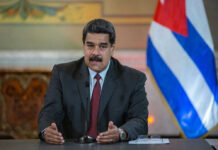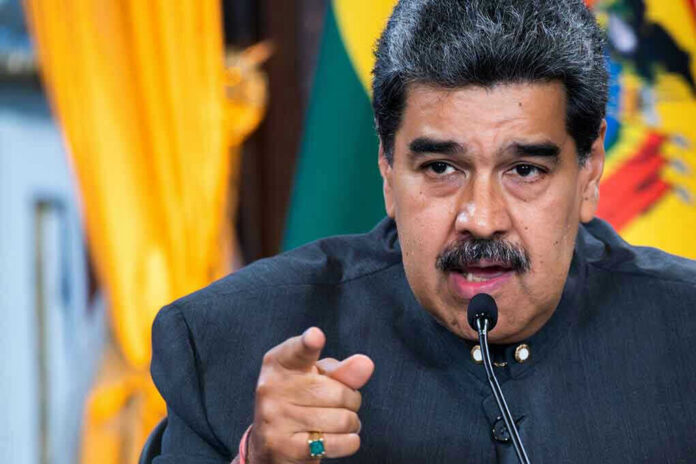
An ousted socialist strongman accused of flooding America with cocaine is back before a U.S. judge, and this time the fight is over who pays his lawyers.
Story Snapshot
- Venezuela’s removed leader Nicolás Maduro is back in a Manhattan courtroom as his narco-terrorism and cocaine trafficking case moves forward.
- U.S. prosecutors say Maduro used government power, military forces, and diplomatic cover to push tons of cocaine toward American streets over decades.
- The superseding indictment alleges a narco-terrorism conspiracy with foreign terrorist groups and support gangs, using drugs as a weapon against the United States.
- Maduro has pleaded not guilty and is trying to fight the case on technical grounds, including immunity, while Americans still live with the damage from illegal drugs.
From Presiding Over a Narco-State to Standing Before an American Judge
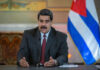
Federal prosecutors in New York say Nicolás Maduro did not just run Venezuela; they say he ran a criminal empire that treated cocaine like a weapon aimed at the United States. The first major indictment came in 2020, when the United States Department of Justice charged Maduro and other top officials with narco-terrorism and drug crimes tied to a group called Cartel de los Soles. That case claimed Maduro helped “flood” America with cocaine while he sat atop a corrupt and illegitimate regime in Caracas.
After U.S. Armed Forces seized Maduro in Caracas on January 3, 2026, a new, superseding indictment was unsealed in the Southern District of New York. This updated filing again accused Maduro and several allies, including his wife Cilia Flores, of narco-terrorism conspiracy, cocaine importation conspiracy, and weapons offenses. The document describes a long pattern, starting around 1999, where Maduro allegedly used every public office he held to shield traffickers, move cocaine, and profit from a drug-fueled power structure.
What U.S. Prosecutors Say Maduro Did to America
The narco-terrorism charge rests on a simple but serious claim: that Maduro and his circle used drug trafficking to support foreign terrorist organizations and violent gangs. The indictment lists contacts with groups such as the Revolutionary Armed Forces of Colombia, the National Liberation Army, and the Venezuelan gang Tren de Aragua, all treated as terror or organized-crime threats by the U.S. government. Prosecutors argue Maduro gave traffickers diplomatic passports, private planes under diplomatic cover, and armed military escorts to move cocaine and cash safely.
U.S. officials say this was not a few bad shipments but a decades-long project that moved multi‑ton loads of cocaine and armed guerrilla movements along the way. One Justice Department account describes Maduro negotiating huge batches of cocaine produced by foreign guerrillas, sending military-grade weapons to them, and even building an unsanctioned militia that acted like a private army for drug interests. The updated indictment goes on to say Maduro let “cocaine‑fueled corruption” grow inside Venezuelan institutions for his own gain and for the benefit of his family’s regime.
Maduro’s Not-Guilty Plea and the Legal Battles Ahead
When Maduro first appeared in the Manhattan federal courthouse, shackled and in prison clothes, he pleaded not guilty to all four counts, including narco-terrorism and cocaine importation conspiracy. He claimed in court that he remains the legitimate president of Venezuela, even as he stood in a U.S. dock facing the possibility of a life sentence. His lawyers have signaled that they will fight hard on technical legal grounds, including claims of head-of-state immunity and complaints about how U.S. forces captured him.
Legal analysts say those arguments may get attention but are unlikely to stop the case outright, because U.S. courts have often allowed prosecutions to continue even when foreign leaders object to how they were arrested. At the same time, the public record still shows allegations rather than a trial verdict, and no jury has yet weighed the full evidence. In the background, the Justice Department has adjusted parts of its theory since 2020, trimming back the original focus on Cartel de los Soles while keeping the core charges of narco‑terrorism, cocaine trafficking, and weapons crimes.
Why This Case Matters for Americans Who Care About Borders, Sovereignty, and Security
For many Americans, especially conservatives, this case is about more than one foreign leader; it is about who pays the price when hostile regimes treat our borders like a joke and our communities like dumping grounds for drugs. U.S. filings say Maduro’s system used state power, military units, and diplomatic tools to move cocaine that ended up on American streets. That means more addiction, more broken families, and more strain on local law enforcement that already battles cartel-driven crime.
The Trump administration’s capture of Maduro and the ongoing prosecution now test whether U.S. law can reach a foreign strongman who allegedly turned his country into a narco-state. The narco-terrorism statute carries a very heavy sentence and sends a message that using drugs to aid terror groups or attack American society will be treated as a national security threat, not just a street crime. As the case moves toward a possible 2027 trial date, Americans will see whether the evidence supports the charges—and whether our courts can hold a foreign ruler accountable for helping poison our country with cocaine.
Sources:
insiderpaper.com, reuters.com, en.wikipedia.org, justice.gov, usatoday.com, theguardian.com, jurist.org, bbc.com, courthousenews.com, facebook.com