President Trump postponed imminent strikes on Iranian infrastructure for five days to pursue ceasefire talks, but Iran’s flat denial of any negotiations raises critical questions about whether Americans are being misled into a prolonged Middle East conflict that drains resources and delivers nothing but broken promises.
Story Highlights
- Trump delays strikes on Iranian power plants and energy infrastructure for five days citing ongoing ceasefire negotiations led by Jared Kushner and Steve Witkoff
- Iran’s state media immediately denies any direct or indirect communication with the United States, contradicting Trump’s claims of major progress
- Oil markets plunged 14% on ceasefire hopes then partially recovered as skepticism mounted about the talks’ legitimacy
- The 24-day war has cost American taxpayers over $200 billion with mounting public opposition among conservatives frustrated by another endless Middle East entanglement
Trump Announces Strike Delay Amid Claimed Breakthrough
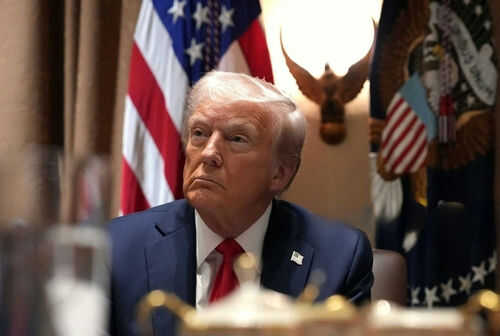
President Donald Trump announced on March 23, 2026, via Truth Social that he would postpone threatened military strikes against Iranian energy facilities for five days, claiming U.S. envoys achieved major progress in ceasefire negotiations. Trump told reporters his administration reached agreement on “almost all points” with a mysterious “top person” in Iran’s leadership, allegedly securing Iranian eagerness for a deal. The proposals reportedly include joint U.S.-Iran control of the Strait of Hormuz, American possession of Iran’s enriched uranium stockpile, and guarantees against nuclear weapons development. Trump warned that failure would result in continued bombing campaigns against Iranian infrastructure.
Iran Flatly Denies Any Negotiations Exist
Hours after Trump’s announcement, Iran’s state-controlled Fars News Agency issued a categorical denial, stating no direct or indirect communication with the United States had occurred. The contradiction between Trump’s optimistic claims and Iran’s outright rejection mirrors a troubling pattern from 2025 negotiations, when Supreme Leader Ali Khamenei rejected Trump’s ultimatum letter as “outrageous” and refused all terms. The denial raises serious concerns about whether Trump’s administration is fabricating progress to justify delaying politically damaging strikes, or whether backchannels exist that Iran publicly disavows to maintain domestic credibility. Either scenario suggests Americans lack transparent information about a war costing lives and Treasury funds with no clear endpoint.
Market Chaos Reflects Public Skepticism
Global oil prices initially dropped 14% following Trump’s ceasefire announcement, reflecting trader optimism that the Strait of Hormuz—which carries 20% of the world’s oil—might reopen without further conflict. However, prices partially recovered within hours as Iran’s denial circulated, signaling market doubt about the talks’ authenticity. The volatility underscores how this war directly impacts American wallets through energy costs, compounding inflation and fiscal mismanagement frustrations conservatives already endure. Professor Jeffrey Sachs noted Trump “reversed course” on ceasefire rhetoric amid polling showing 94% MAGA support but significant independent opposition, suggesting domestic political pressures rather than genuine diplomatic breakthroughs may drive Trump’s shifting statements.
War Fatigue Mounts as Costs Escalate
The ongoing 24-day conflict traces back to Trump’s May 2018 withdrawal from the Iran nuclear deal and his March 2025 ultimatum demanding complete nuclear dismantlement, zero oil exports, and proxy force elimination within 60 days. When negotiations collapsed and Israel launched strikes after the deadline, the current war erupted with no Congressional declaration and minimal public debate. Trump’s administration now seeks over $200 billion in supplemental war funding while American families struggle with high energy costs directly tied to Hormuz closure. This represents exactly the kind of endless regime-change war conservatives rejected when supporting Trump’s 2016 and 2024 campaigns promising America First policies, not another trillion-dollar Middle East quagmire.
The five-day window ending soon will reveal whether Trump’s claimed negotiations hold substance or whether Americans face continued conflict based on unverified diplomatic theater. Conservatives who voted against globalist foreign adventurism deserve honest answers about why the United States remains entangled in a war that drains resources, drives up gas prices, and risks broader regional conflagration—all while Iran publicly denies the very talks Trump uses to justify continued engagement. The pattern of failed negotiations since 2025 suggests this administration may lack a credible exit strategy, leaving patriots to question whether their mandate for peace has been abandoned for Washington’s usual war-making apparatus that serves defense contractors over American families.