In an unprecedented move, six federal prosecutors have resigned, protesting a DOJ directive they claim targets a widow unjustly.
Story Highlights
- Six prosecutors resign from the U.S. Attorney’s Office in Minnesota.
- DOJ directive to investigate Renee Good’s widow sparks controversy.
- The Trump administration’s enforcement policies face backlash in Minnesota.
- Concerns over DOJ’s independence and ethics rise amid mass resignations.
Mass Resignations in Minnesota’s U.S. Attorney’s Office
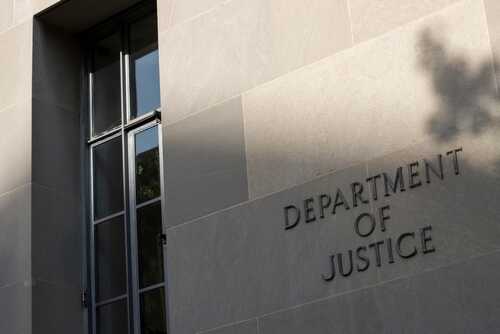
On January 13, 2026, at least six career prosecutors, including the notable former acting U.S. Attorney Joe Thompson, resigned from their positions in the U.S. Attorney’s Office for the District of Minnesota. This move was in protest against a directive from senior DOJ officials to launch a criminal investigation into the widow of Renee Good, who was fatally shot by an ICE officer the previous week. These resignations have highlighted internal discord and ethical concerns within the DOJ regarding the administration’s handling of justice matters.
These resignations were not merely a reaction to a single directive but were indicative of broader dissatisfaction with the Trump administration’s approach to law enforcement and immigration. The directive to investigate Good’s widow, which many see as politically motivated, clashes with the nonpartisan ethics that career prosecutors strive to uphold. The Trump administration’s decision to deploy over 2,000 federal agents in Minneapolis has further fueled tensions, as local communities view these actions as aggressive overreach.
Six federal prosecutors in Minnesota resigned today over @TheJusticeDept’s push to investigate the widow of a woman killed by an @ICEgov agent and the department’s reluctance to investigate the shooter.
Read more: https://t.co/veF47KT80t
via @nytimes pic.twitter.com/mYkZsHdAqE— Star-Advertiser (@StarAdvertiser) January 13, 2026
Impact on DOJ’s Independence
The resignations come amidst the administration’s decision not to conduct a civil rights probe into Good’s death, a move criticized by many as disregarding justice and due process. This decision, combined with the directive targeting Good’s widow, is seen by the resigning prosecutors as undermining the DOJ’s independence. Governor Tim Walz of Minnesota has spoken out against what he terms a “purge” of principled professionals, pointing to the resignations as a sign of the administration’s disregard for ethical governance.
The Trump administration has defended its actions, framing Good’s actions prior to her death as domestic terrorism. However, this narrative has not been universally accepted, and the DOJ’s decision to bypass a civil rights investigation has only intensified scrutiny. The FBI has taken over the investigation into Good’s death, but the lack of transparency has left many questioning the integrity of the process.
Long-term Implications for Minnesota and Beyond
The mass resignations and the subsequent fallout have significant implications for both Minnesota and the broader legal community. In the short term, the departures have disrupted ongoing investigations into fraud and violent crimes within the state. The long-term effects could be even more profound, potentially weakening the DOJ’s reputation for impartiality and leading to further resignations and morale issues within the department.
The broader community, including Minnesota’s large Somali population, is particularly affected by the administration’s immigration policies. With the termination of Somalia’s Temporary Protected Status, approximately 2,500 Somali immigrants face deportation, adding to the already heightened tensions in the community. These developments underscore the complex interplay between federal enforcement strategies and community relations, raising questions about the future trajectory of immigration policy under the Trump administration.
Sources:
Governor Walz’s Statement on DOJ Resignations
CBS Minnesota Article on U.S. Attorney Office Resignations