
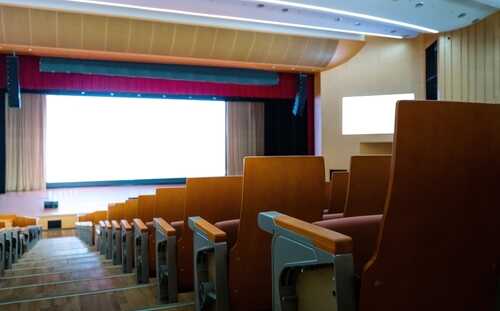
Amherst College’s mandatory orientation skits spark outrage, igniting debates on campus culture.
Story Highlights
- Amherst College mandates orientation skits featuring explicit sexual content.
- Students express discomfort, citing skits as “disgusting” and oversexualized.
- College administration defends the skits as longstanding educational programs.
- Controversy highlights cultural tensions at elite liberal arts institutions.
Amherst College’s Controversial Orientation Skits
Amherst College, a prestigious liberal arts institution, has come under fire for its mandatory freshman orientation skits that include graphic sexual scenarios. These performances, known as “Voices of the Class” and “Wellbeing Skits,” have been criticized by students and conservative media for their explicit content, which includes simulated sex acts and sexually suggestive behavior. The controversy has sparked significant debate about the appropriateness of such content in educational settings.
The orientation events, which are compulsory for all first-year students, feature peer educators performing skits that students describe as “disgusting” and socially coercive. The skits aim to promote discussions around consent and healthy sexual behavior, but critics argue that they cross the line into oversexualization. Amherst’s administration maintains that these skits are educational and have been part of the college’s programming for over 25 years, despite student protests and negative feedback.
WATCH:
Amherst College, founded over two centuries ago to prepare young Christian men for the ministry, has become a hotbed of administratively sanctioned sex performances and "sexual skills" programs, with a focus on "queer" and transgender students and on free-sex practices… pic.twitter.com/1ACSDc4k2x
— Washington Free Beacon (@FreeBeacon) December 12, 2025
Student Reactions and Institutional Defense
Many students have voiced their discomfort with the skits, feeling that they were unprepared for the explicit nature of the performances. Isabella Niemi, a junior, described the skits as “simulated sex” and expressed regret about attending the event. Another student, John Collier, criticized the college’s attempt to normalize such content, arguing that it has gone too far and alienates those with more conservative values. The administration, however, disputes the characterization of the skits as graphic and continues to support their inclusion in orientation programming.
Despite the backlash, Amherst College has not indicated any plans to alter or suspend the skits. The administration claims that the programming is minimal in cost and integral to the college’s health and wellbeing education. This stance underscores the cultural divide on campus, where students seeking a sex-positive environment may support the skits, while those with traditional views may feel marginalized.
Implications for Campus Culture
The controversy at Amherst is reflective of broader national debates about campus culture, free speech, and the role of higher education institutions in addressing sensitive social issues. It raises questions about how colleges can balance educational programming with the diverse values and comfort levels of their student body. The incident at Amherst may influence prospective students’ perceptions of the college, potentially affecting its recruitment efforts and campus climate in the long term.
The debate also highlights the importance of providing feedback mechanisms for students to express their concerns openly without fear of retribution. As the conversation continues, Amherst College and similar institutions must navigate these complex issues to foster inclusive environments that respect individual beliefs while promoting critical discussions on important topics.
Sources:
2024 College Free Speech Rankings
Amherst College Student Code of Conduct