President Trump’s proposed Executive Order to mandate voter ID and reduce mail-in voting is set to ignite significant debates, potentially reshaping the electoral landscape and sparking legal challenges.
Story Highlights
- Trump aims to mandate voter ID through an Executive Order.
- Plan includes reducing mail-in voting, citing concerns over election integrity.
- Expected legal battles over the constitutionality of such an order.
- Potential impacts on voter turnout and election processes.
Trump’s Executive Order Ambitions
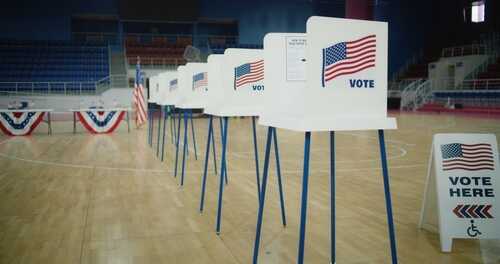
President Trump has announced his intention to issue an executive order mandating voter ID requirements nationwide, a move that aligns with longstanding conservative calls for election integrity. This order aims to address concerns about voter fraud, a topic that has been a significant part of Trump’s political platform. The proposal also includes measures to significantly reduce mail-in voting, which he argues is vulnerable to abuse and manipulation.
Critics argue that such measures could disproportionately affect voter turnout, particularly among minority and economically disadvantaged groups who are less likely to possess government-issued identification. This proposal has sparked a heated debate, with opponents asserting that it infringes on voting rights and could face substantial legal challenges regarding its constitutionality.
Legal and Political Challenges
The proposed executive order is expected to face immediate legal scrutiny. Legal experts suggest that implementing voter ID requirements and limiting mail-in voting through an Executive Order could be challenged as overreaches of presidential authority. The U.S. Constitution delegates the power to regulate elections to the states, complicating federal mandates on voting procedures.
These potential legal battles are likely to unfold in the courts, with outcomes that could set significant precedents for federal involvement in state-managed elections. The move also comes amidst a backdrop of increasing polarization over voting laws, with many states enacting their own voting restrictions or expansions.
Implications for Future Elections
If implemented, Trump’s Executive Order could significantly reshape the electoral process in the United States. By enforcing stricter voter ID laws and curtailing mail-in voting, the order might influence voter participation rates and alter the dynamics of future elections. Supporters argue that these measures are necessary to safeguard election integrity, while detractors warn of disenfranchisement and reduced accessibility for voters.
Trump Vows Executive Order to Mandate Voter ID, Slash Mail-In Voting https://t.co/0HxLEPHe3U
— D.R. Couric (@DRCouric) September 2, 2025
This initiative underscores ongoing tensions between federal and state powers in regulating elections, with potential ramifications for how future electoral processes are conducted and challenged. As the debate continues, the nation watches closely, anticipating how these changes might impact both state and national elections.