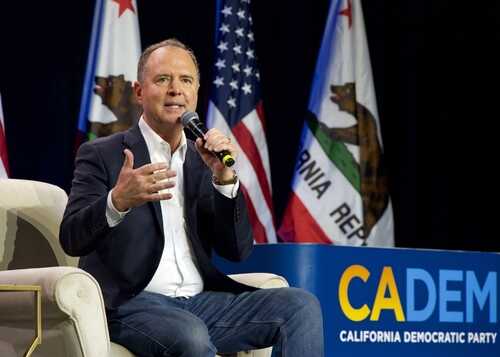
A new whistleblower revelation threatens to expose a deep partisan misuse of classified information within the House Intelligence Committee, targeting President Donald Trump.
Story Highlights
- FBI records allege Adam Schiff approved leaking classified data to harm Trump.
- The whistleblower, a longtime Democratic staffer, attended the alleged 2017 meeting.
- These allegations have yet to be proven or adjudicated in court.
- Congress has received declassified documents for oversight and investigation.
The Whistleblower Allegations
Recently released FBI interview summaries indicate that Adam Schiff, former chair of the House Intelligence Committee, was accused by a former Democratic staffer of authorizing the leak of classified information in 2017; these allegations remain unverified and have not been adjudicated in court. According to the whistleblower, identified as a longtime Democratic staffer who served on the committee for more than a decade, the alleged authorization occurred during a 2017 meeting; the FBI records reflect this account but do not confirm it through independent evidence. These claims have not been verified in court, and Schiff’s office has yet to respond publicly.
The documents detailing these interviews were recently declassified and handed over to Congress, sparking renewed oversight efforts. The revelation is seen as a significant development in the ongoing scrutiny surrounding Schiff’s actions during his tenure at HPSCI, especially after his 2023 censure for misleading claims about Trump-Russia collusion narratives.
Background and Context
The House Intelligence Committee played a central role in the investigations and controversies following the 2016 election, including the infamous Steele dossier and FISA applications. The whistleblower’s claim, if substantiated, would add to the broader history of partisan disputes and allegations of intelligence misuse during this period, though no independent verification has been made. Despite the gravity of the allegations, FBI records have not been independently verified, and the DOJ has not pursued charges based on these claims.
Past incidents, such as the Nunes and Schiff memo dispute over FISA, highlight the contentious nature of intelligence oversight and the challenges in prosecuting leaks. Schiff’s 2023 censure for making statements later deemed misleading in the Trump–Russia investigation context has been cited by critics in discussions of accountability and transparency; however, no criminal charges have been filed in connection with these newly surfaced allegations.
Current Developments and Implications
Fox News’ August 12, 2025 report on the recently declassified FBI interview records has intensified debate over how classified information is handled by members of Congress and their staff. The whistleblower’s allegations are now under congressional review, with potential hearings and requests for FBI testimony on the horizon. The broader implications of these developments could lead to reforms in handling classified information and staff leak investigations within Congress.
Democratic whistleblower told FBI that Adam Schiff approved classified leaks to target Trump
Schiff should be prosecuted and removed from office! Treason is very serious! This scumbag must be held accountable for his actions! https://t.co/LaEGXWQuU3— Tampa Hoss (@TampaHoss) August 12, 2025
If confirmed through investigation, these allegations could influence public perceptions of congressional oversight in intelligence matters and contribute to reassessing historical accounts of the 2017–2019 investigations. The situation underscores the need for rigorous checks and balances in government operations, a core concern for advocates of limited government and constitutional protections.
Sources:
Fox News: “Democratic whistleblower told FBI Schiff authorized leaks to hurt Trump” (Aug. 12, 2025)
U.S. House of Representatives: H.Res. 521 (June 21, 2023) censuring Adam Schiff