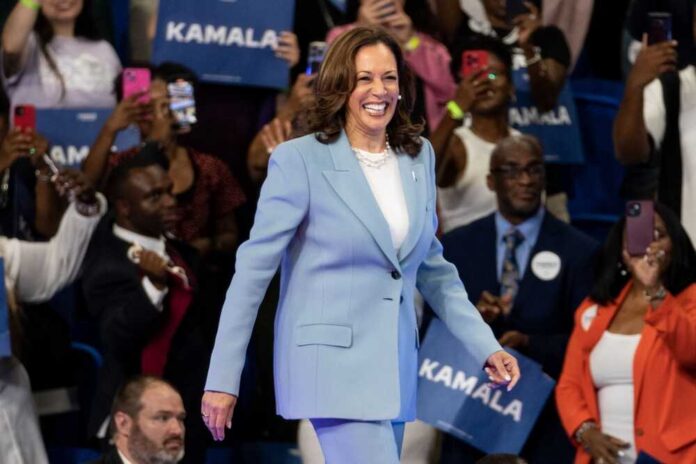
Kamala Harris has decided not to run for governor of California in 2026, a decision that could change the landscape of the Democratic Party in the state and nationwide.
Story Snapshot
- Kamala Harris officially announces she’s stepping back from electoral politics.
- Her decision clears the field for other Democratic contenders in California.
- Harris plans to support Democratic candidates and engage in public service outside of elected office.
- California’s political future sees a shift as prominent figures prepare for the 2026 gubernatorial race.
Harris’s Decision Shakes Up California Politics
Kamala Harris, the former Vice President, has announced she will not pursue a run for governor in California’s 2026 election. This decision ends months of speculation and clears the path for other Democratic contenders to step up their campaigns. After a contentious presidential run in 2024, which ended in defeat, Harris has opted to step back from electoral politics altogether. Her announcement comes at a pivotal time, as California Governor Gavin Newsom is term-limited, leaving the governorship wide open.
This decision is a significant development for the Democratic Party both in California and nationally. Harris’s stature has always cast a long shadow over potential contenders, and her withdrawal allows figures like Xavier Becerra and Antonio Villaraigosa to consolidate their support and build momentum. Her decision was reportedly influenced by the demands of the governor’s office and the fallout from her presidential campaign, which left her with significant campaign debt and waning donor enthusiasm.
Former Vice President Kamala Harris announced Wednesday that she will not run for governor of California in 2026, ending months of speculation about her political future. https://t.co/U5Th9xeJkM
— WLOS (@WLOS_13) July 31, 2025
Implications for the Democratic Landscape
With Kamala Harris out of the picture, the Democratic field in California is now wide open. This presents an opportunity for new leadership to emerge and for the Democratic Party to reassess its priorities and strategies in the state. California, being a Democratic stronghold, has always been pivotal in shaping the party’s national direction. Harris’s decision has set the stage for a dynamic and potentially contentious primary season.
In the short term, Democratic donors and operatives are expected to shift their attention and resources to other viable candidates. In the long term, Harris’s decision could signal a shift toward non-electoral forms of public service, potentially setting a precedent for other high-profile politicians. Her move might also preserve her options for future national leadership roles, possibly even another presidential run.
The Road Ahead for Kamala Harris
Harris has emphasized her commitment to public service, stating that her future endeavors will focus on helping to elect Democrats and engage with the public in innovative ways outside elected office. This pivot could allow her to maintain and possibly even expand her influence within the Democratic Party without the constraints of holding an official position.
Her decision to step away from electoral politics is notable for its finality, especially given her high-profile national career. Political analysts suggest that this move could reflect a strategic recalibration, allowing Harris to focus on causes she is passionate about while avoiding the rigors and scrutiny of another campaign.