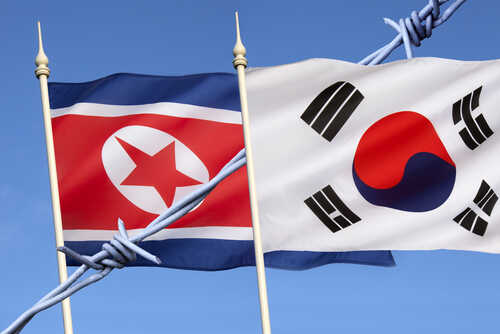
In a stark refusal that echoes through the corridors of power in Seoul, Kim Yo Jong, sister of North Korean leader Kim Jong Un, has rebuffed South Korea’s latest overtures for dialogue, further chilling the already icy relations between the two Koreas.
At a Glance
- Kim Yo Jong dismisses South Korea’s diplomatic proposals.
- North Korea intensifies focus on its alliance with Russia.
- South Korea’s peace efforts face strong resistance from Pyongyang.
- Constitutional changes in North Korea redefine South Korea as a principal enemy.
North Korea’s Firm Rejection
Kim Yo Jong, wielding significant influence in North Korean politics, has categorically rejected the South’s attempts to thaw relations. This comes after South Korea’s new liberal government under President Lee Jae Myung made several conciliatory moves, including halting anti-North propaganda and repatriating North Koreans. However, Kim’s statement made it clear that North Korea remains uninterested in any discussions with the South, citing distrust in Seoul’s alliance with the United States and ongoing military drills.
This rejection isn’t merely a diplomatic setback; it’s a calculated move in North Korea’s broader strategy to prioritize its military and economic ties with Russia, shunning any engagement with Seoul and Washington. By doing so, Pyongyang continues to send a clear message about its strategic priorities and alliances.
Kim Jong Un’s powerful sister rejects appeasement overture by South’s new president https://t.co/ta3mtVhl1j pic.twitter.com/W0Nnf1CgaT
— New York Post (@nypost) July 28, 2025
South Korea’s Unreciprocated Efforts
Under President Lee, South Korea has made notable efforts to reverse the hardline policies of its predecessors, hoping to re-engage North Korea through peaceful means. These efforts included stopping anti-North broadcasts and limiting the launch of propaganda balloons. Yet, these gestures have fallen on deaf ears, as North Korea remains steadfast in its position.
Despite the lack of reciprocity from the North, the South Korean government continues to express its readiness for dialogue without preconditions, demonstrating its commitment to peace and stability on the peninsula. However, with North Korea’s alignment with Russia deepening, Seoul’s aspirations for thawing relations appear increasingly challenging.
Strategic Alliances and Regional Tensions
North Korea’s pivot toward Russia marks a significant shift in regional dynamics. As Pyongyang strengthens its military and economic cooperation with Moscow, including sending troops and weapons to support Russia’s war efforts in Ukraine, the implications for Northeast Asia’s security landscape are profound.
This alliance not only underscores North Korea’s defiance of the West but also complicates the diplomatic landscape for South Korea and the United States. With Pyongyang emboldened by Russian support, the potential for further provocations or military demonstrations increases, posing a challenge for regional stability.
Implications for Inter-Korean Relations
The rejection of dialogue by North Korea, coupled with its constitutional amendments that formally designate South Korea as a principal enemy, signals a long-term shift in its policy. This entrenched hostility raises the spectre of further military tensions and diminishes prospects for future engagement between the two Koreas.
For South Korea’s Lee administration, this diplomatic impasse presents significant political challenges. Domestically, the government faces pressure to respond to North Korea’s intransigence, while internationally, it must navigate the complexities of a regional security environment increasingly influenced by great power rivalries.