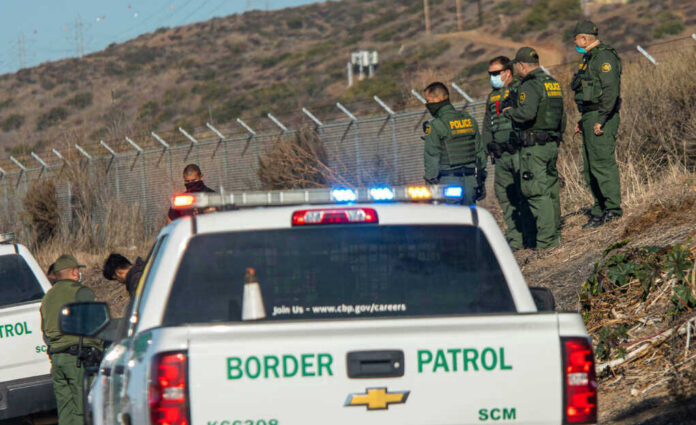
Federal immigration enforcement is moving deeper into the country, and that has many Americans asking who is really being watched.
Quick Take
- The government says immigration officers can act far beyond the border in some cases, but critics say the limits are clear and important.[4][7]
- Border Patrol checkpoint practices remain tied to Fourth Amendment limits, even inside the 100-mile zone.[4][7]
- Trump-era enforcement rules pushed broader interior immigration action and tougher registration demands.[1][2][6]
- The biggest gap in this fight is proof: supporters cite authority and numbers, while critics want hard records and court rulings.[2][4][6][7]
Why the 100-Mile Zone Matters
The core dispute is not whether the federal government can enforce immigration law. It is how far that power reaches once agents leave the actual border. A Border Patrol explainer says federal law allows certain warrantless stops and searches within 100 miles of the border, which can include large cities and coastal areas. The American Civil Liberties Union says that zone is still bound by the Fourth Amendment.[4][7]
That split matters because the 100-mile zone covers a huge share of the country. The same Border Patrol explainer says agents can operate checkpoints and question people in that area, but the authority is not unlimited. Critics argue that “nationwide checkpoints” is an overstatement if agents still need legal limits, reasonable suspicion in some settings, and constitutional rules against arbitrary stops. For families driving to work, school, or church, the difference is not academic.[4][7]
Trump-Era Enforcement Pushed Interior Action
Trump administration immigration policy has leaned hard toward broader interior enforcement. A summary of the 2017 executive order on interior public safety says it expanded enforcement priorities to include unauthorized individuals and revived cooperation programs that had been scaled back. The White House also says the administration has used strong enforcement to drive removals and self-deportations, presenting that effort as a defense of sovereignty. Supporters see that as a restoration of law and order.[2][6]
The registration push adds another layer. The National Immigration Law Center says the administration announced a registration requirement for undocumented immigrants under the Alien Registration Act and warned of possible criminal charges for failing to comply. That makes the policy more than paperwork. It turns registration into a tool that can lead to detention and deportation. The same sources also show a legal weakness: critics say the government has not clearly shown how those charges will be enforced in court.[1]
What Critics Say About Checkpoints and Rights
Critics focus on how checkpoint power has been used on the ground. The American Immigration Council says border residents have reported racial profiling, excessive force, and unlawful searches at checkpoints. The American Civil Liberties Union of Arizona says Border Patrol checkpoints in southern Arizona have caused prolonged detentions and unlawful searches based on dog alerts that turned out to be false. The same group says race or ethnicity cannot legally justify a stop.[10][11][14]
Weigh Stations should be used as interior checkpoints to enforce immigration laws nationwide. What is the Administration waiting on? This can be done now!! pic.twitter.com/XTQ8DVyGQN
— American Truckers United (@atutruckers) June 23, 2026
That criticism does not erase federal authority, but it does narrow the argument. The strongest counterpoints in the research do not say Border Patrol has no power at all. They say the power is limited by constitutional rules, Supreme Court precedent, and plain restrictions on racial profiling. In other words, even if enforcement is legal in some settings, it is not a blank check. That is the issue critics keep pressing.[11][14][19]
The Missing Proof Behind “Nationwide” Claims
The biggest weakness in the pro-checkpoint case is not ideology. It is evidence. The research package cites White House claims about deportation totals and negative net migration, but it does not provide independent audits or detailed methods. It also notes that critics want operational logs, stop data, and detention records to test whether checkpoints are being used lawfully and evenly. Without that data, both sides can point to broad claims while avoiding hard numbers.[6][10]
That is why this story is still unfolding. Border Patrol authority is real, but so are constitutional limits, documented abuse claims, and unresolved questions about where checkpoints can legally operate. For readers who want secure borders without turning the country into a free-fire zone for federal power, the next fight is simple: force the government to show the legal basis, the stop records, and the court support behind every checkpoint it places.[4][7][11][19]
Sources:
[1] Web – PAPERS PLEASE: IMMIGRATION CHECKPOINTS SET UP ACROSS NATION…
[2] Web – Know Your Rights: Trump’s Registration Requirement for Immigrants
[4] YouTube – Study finds Trump administration cut legal immigration far …
[6] Web – [PDF] Trump’s Little-Known Immigration Rules as Executive Power Grab
[7] Web – Secure the Border – The White House
[10] Web – Summary of Executive Orders and Other Actions on Immigration
[11] Web – Hearing Reveals Ongoing Civil Rights Abuses at Border Patrol …
[14] Web – Exposing human rights violations behind laws that criminalize …
[19] Web – 100 miles of the border, DHS has checkpoints where they can …